🚀 GetMeds Online is coming soon.
  • Order by 1pm — next-day delivery
  • 100% authentic UK medicine
  • Prescribers at our partner pharmacy
  • GPhC-registered pharmacy
  • Only pay if approved
  • Discreet delivery
GetMeds Online

GetMeds Online

Weight management

Prescription support for weight loss alongside diet and activity changes.

Weight management — everyday life photograph
This guide is general health information about Weight management. It is not personal medical advice and does not replace an assessment by your GP or pharmacist. Any treatment is only supplied after a consultation is reviewed by a UK prescriber at our partner pharmacy.

In short

Being very overweight (obesity) is a long-term condition that can come and go over your life. Weight-loss medicines are only meant to be used alongside a lower-calorie diet and more physical activity, not instead of them, and they're only offered if you meet certain weight criteria.

Who can be prescribed these medicines
A BMI of 30 or more, or 27 or more with a weight-related health problem
Adjusted BMI thresholds
The BMI cut-off is 2.5 points lower for South Asian, Chinese, Black African and African-Caribbean backgrounds
Sign it's working
Losing 5% or more of your body weight in 3–6 months
Types of medicine
Weekly injections (GLP-1 or dual GIP/GLP-1 medicines) or a fat-blocking tablet

Overview

Prescription weight loss medicines are considered when your BMI is above a set threshold, or above a lower threshold with a weight-related health condition. They are used alongside changes to eating and activity, not instead of them.

Common symptoms

  • BMI of 30 or above
  • BMI of 27 or above with a weight-related condition
  • Previous attempts at diet and exercise alone

What causes it

  • Long-term energy intake above energy use
  • Genetics, sleep, stress and some medicines
  • Conditions such as an underactive thyroid or PCOS

What you can do yourself

  • Build meals around protein, vegetables and fibre
  • Aim for 150 minutes of moderate activity a week
  • Track weight weekly rather than daily

What you'll be asked

  1. 1Your height, weight and BMI measured accurately, plus your waist size if possible
  2. 2Whether you have related conditions such as type 2 diabetes, high blood pressure, high cholesterol, sleep apnoea, or fatty liver disease
  3. 3Whether you or a close family member has ever had a rare thyroid cancer (medullary thyroid carcinoma) or a condition called MEN2, and whether you've ever had pancreatitis
  4. 4Whether you may have an eating disorder, and whether you are pregnant or planning to be
  5. 5Your current medicines, especially insulin or certain diabetes tablets, as these can cause low blood sugar

How it is usually treated

GLP-1 based medicines are considered when BMI is 30 or above, or 27 or above with a weight-related condition. They are started at a low dose and stepped up, and they work alongside diet and activity changes rather than replacing them.

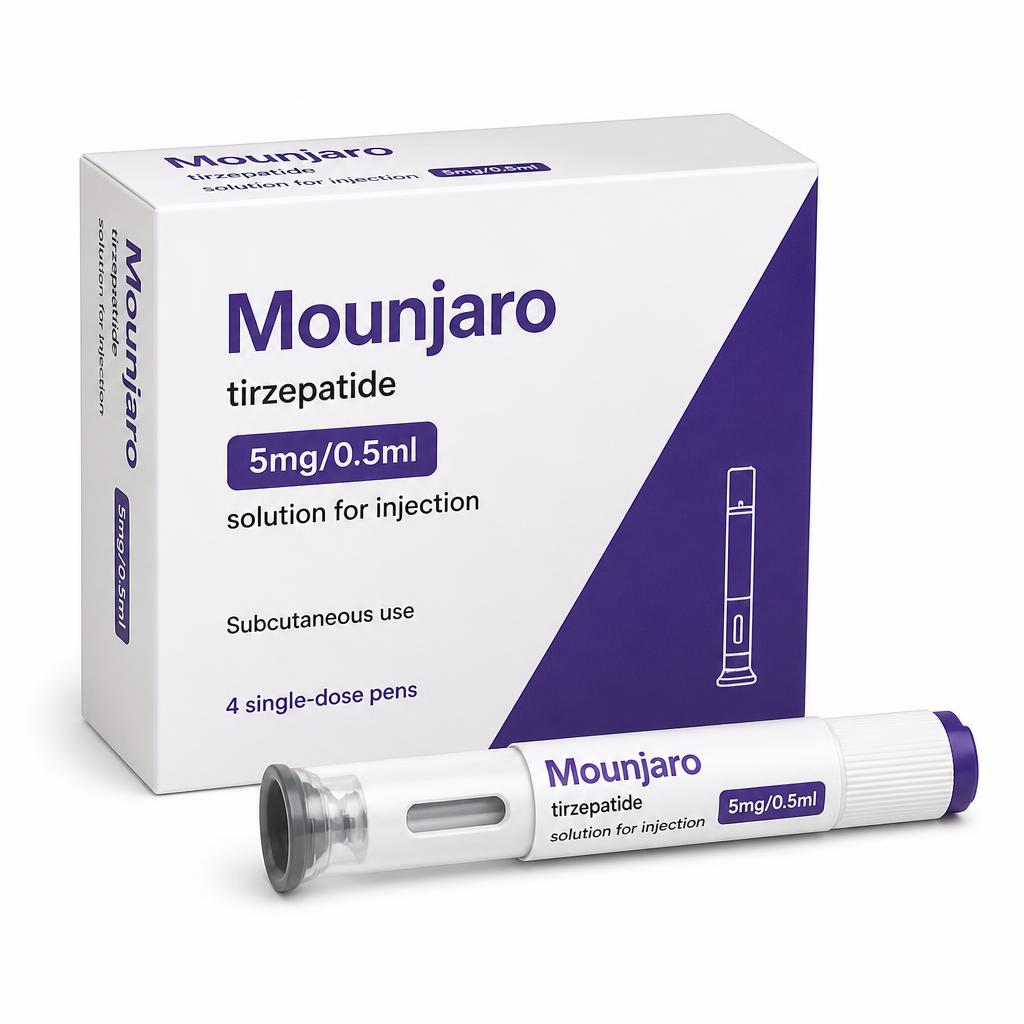
Tirzepatide — weekly injection

Started at a low dose and increased gradually over several weeks to help your body adjust. It works on appetite hormones to make you feel fuller. Feeling sick, heartburn and constipation are common at first and usually settle down.

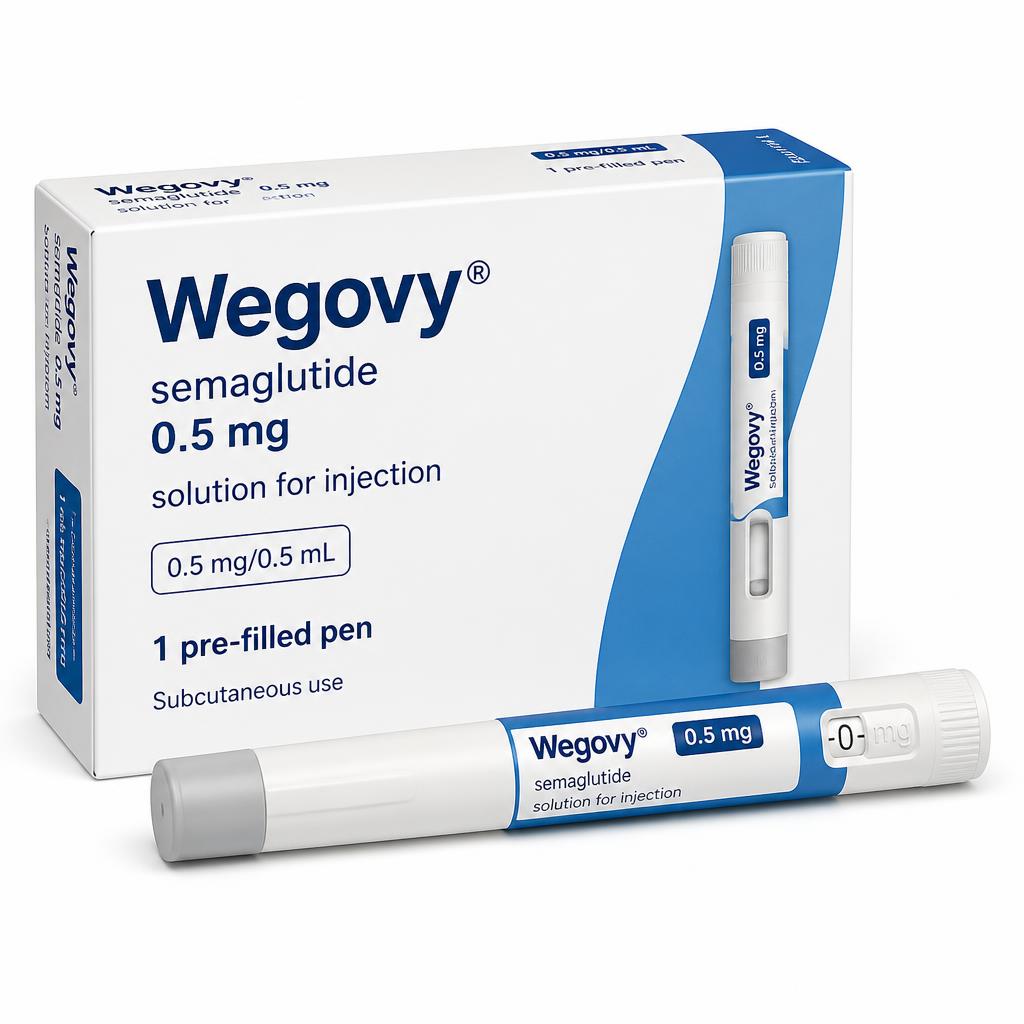
Semaglutide 2.4 mg — weekly injection

The dose is slowly increased over 16 weeks to the full amount. It reduces appetite and is used together with a lower-calorie diet and more exercise.

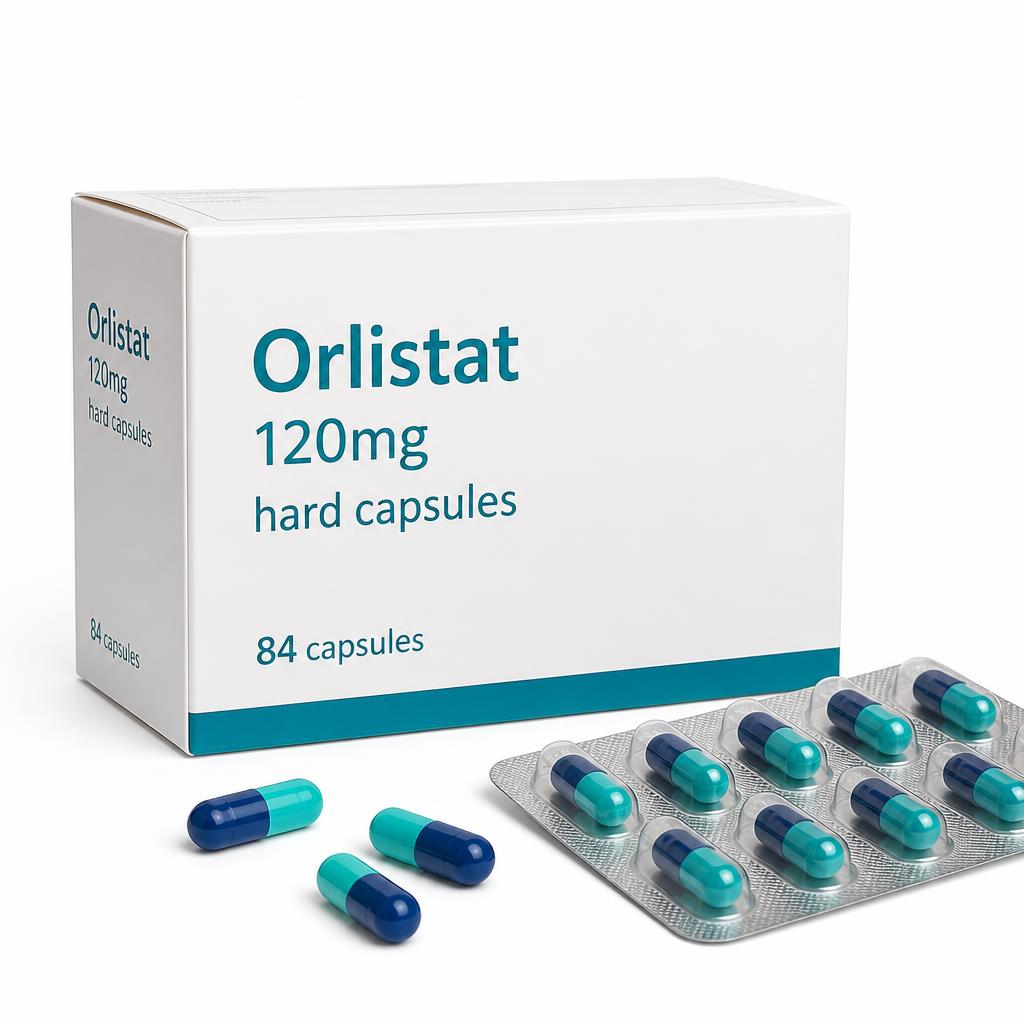
Orlistat 120 mg — tablet taken with meals

Stops around a third of the fat you eat from being absorbed. It only works well if you also eat a low-fat diet — eating fatty food while taking it can cause oily, urgent bowel motions.

Doses shown are indicative. Any treatment is chosen by the prescriber at our partner pharmacy based on your answers.

Follow-up and reviews

  • Your weight is checked at the start, then monthly while your dose is being increased
  • If you haven't lost at least 5% of your body weight by 6 months on the full dose, the medicine is usually stopped
  • At each repeat prescription, you'll be asked about injection technique, how much fluid you're drinking, and any stomach side effects
  • If you're on orlistat long term, you may be advised to take a multivitamin and have vitamin levels checked

Safety and who should avoid it

  • Do not take these medicines if you are pregnant or breastfeeding — use reliable contraception, including if you're on the contraceptive pill while your dose is being increased
  • Avoid if you or a close family member has had a rare type of thyroid cancer or the condition MEN2
  • Stop the medicine and get medical help straight away for severe, ongoing stomach pain — this could be pancreatitis
  • If you take insulin or certain diabetes tablets, your dose may need lowering to avoid your blood sugar dropping too much
  • These medicines slow down digestion, which can affect how well other tablets you take are absorbed

Get urgent help if you notice

  • Severe pain in the upper stomach that spreads to your back, with vomiting
  • Being sick repeatedly, feeling very thirsty, or passing much less urine than usual
  • Pain in the upper right side of your tummy, yellowing skin or eyes, or a fever (possible gallstones)
  • Signs of an eating disorder, or losing weight very quickly without meaning to

Call 999 for an emergency, or NHS 111 for urgent advice.

When to see a doctor

  • Unintentional weight loss
  • A history of pancreatitis, gallbladder disease or an eating disorder
  • Pregnancy, breastfeeding or planning a pregnancy

Treatments you can request

Common questions

Will I regain weight if I stop?
Weight regain is common unless eating and activity changes are maintained, so plan for the long term from the start.
What side effects are most common?
Nausea, constipation and reflux, usually worst after a dose increase.