🚀 GetMeds Online is coming soon.
  • Order by 1pm — next-day delivery
  • 100% authentic UK medicine
  • Prescribers at our partner pharmacy
  • GPhC-registered pharmacy
  • Only pay if approved
  • Discreet delivery
GetMeds Online

GetMeds Online

Thrush

A common yeast infection causing itching, soreness and discharge.

Thrush — everyday life photograph
This guide is general health information about Thrush. It is not personal medical advice and does not replace an assessment by your GP or pharmacist. Any treatment is only supplied after a consultation is reviewed by a UK prescriber at our partner pharmacy.

In short

Thrush is a common yeast infection that causes itching and a thick, white discharge without a strong smell. It's treated with an antifungal medicine, either as a tablet or a cream/pessary, and if it keeps coming back you may need a longer course of treatment.

How common
Around 3 in 4 women get thrush at least once in their life
Recurring thrush
Defined as 4 or more confirmed episodes in a year
Typical discharge
Thick, white, and doesn't smell unpleasant
Quick treatment option
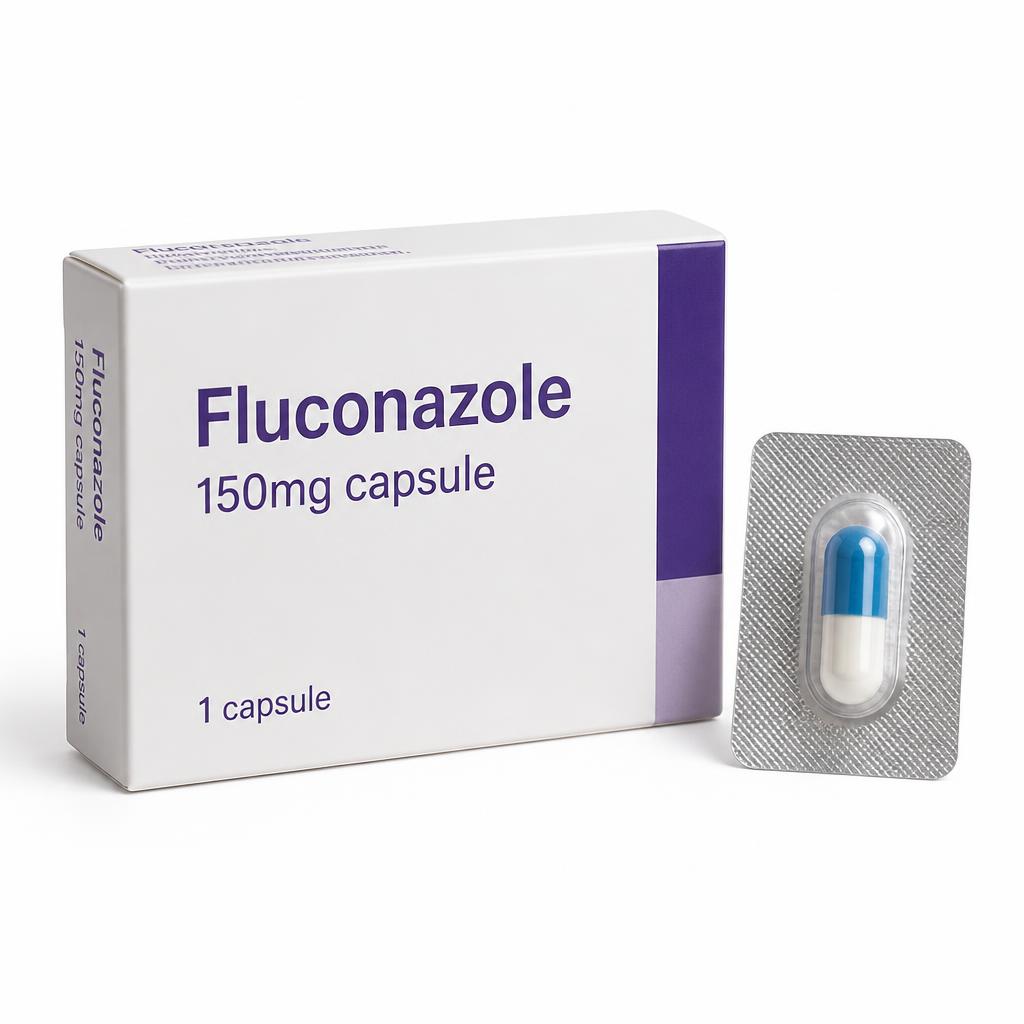
A single fluconazole tablet taken by mouth

Overview

Thrush is caused by an overgrowth of candida. It is not a sexually transmitted infection. Repeated episodes should be assessed, as other conditions can look similar.

Common symptoms

  • Itching and soreness
  • Thick white discharge
  • Discomfort when passing urine

What causes it

  • Antibiotics, pregnancy or poorly controlled diabetes
  • Perfumed washes and tight synthetic underwear
  • A weakened immune system

What you can do yourself

  • Wash with water or an unperfumed emollient
  • Choose cotton underwear and avoid tight clothing
  • Avoid douching, which upsets the natural balance

What you'll be asked

  1. 1Your symptoms — itching, soreness, pain during sex, or stinging when you wee
  2. 2What your discharge looks and smells like — a fishy or unpleasant smell points to a different condition (bacterial vaginosis), not thrush
  3. 3How many times you've had it in the past year, and whether previous treatment has worked
  4. 4Whether you're pregnant, have diabetes, have recently taken antibiotics, or have a weakened immune system
  5. 5Whether an STI needs to be considered if your symptoms are unusual or don't improve

How it is usually treated

A single oral fluconazole capsule or a clotrimazole pessary and cream both work well. Four or more episodes a year needs assessment for an underlying cause.

Fluconazole 150 mg — a single tablet

A convenient one-off tablet, suitable for most women who aren't pregnant. It should not be used in pregnancy.

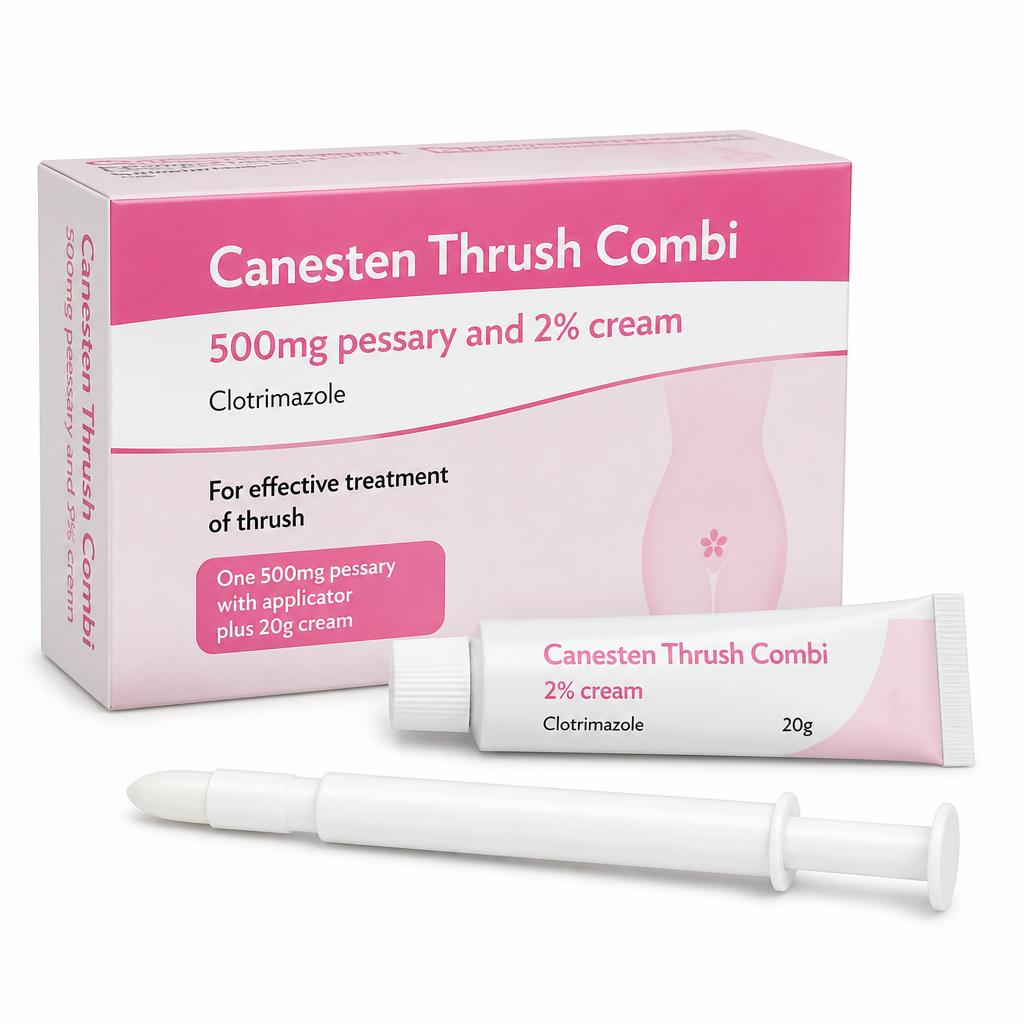
Clotrimazole 500 mg pessary plus 2% cream

A tablet-like pessary inserted into the vagina, safe to use in pregnancy (put it in by hand, without an applicator), plus a cream to soothe itching on the outside.

Longer course for thrush that keeps coming back

If you have frequent episodes, treatment usually starts with about a week of doses, then continues weekly or monthly for up to 6 months — this should only start once thrush has been confirmed with a swab test.

Doses shown are indicative. Any treatment is chosen by the prescriber at our partner pharmacy based on your answers.

Follow-up and reviews

  • See a pharmacist or GP again if your symptoms haven't improved within 7–14 days of treatment
  • Have a swab test to confirm the diagnosis before starting long-term treatment for recurring thrush
  • Ask for a blood sugar check (HbA1c) if you keep getting thrush for no obvious reason
  • Avoid perfumed soaps, douching and tight synthetic underwear, as these can make symptoms worse

Safety and who should avoid it

  • Do not take fluconazole if you're pregnant, and tell your pharmacist if you take warfarin, statins or certain antipsychotic medicines, as it can interact with these
  • Cream and pessary treatments can weaken latex condoms and diaphragms for up to 5 days afterwards
  • If standard treatment keeps failing, a less common type of yeast infection may need to be considered

Get urgent help if you notice

  • Fever, pelvic pain, or unusual bleeding — these could mean a pelvic infection rather than thrush
  • Discharge that is blood-stained or has an unpleasant smell
  • A sore, ulcer, lump or persistent change in the skin of the vulva
  • Symptoms that haven't settled after two courses of treatment

Call 999 for an emergency, or NHS 111 for urgent advice.

When to see a doctor

  • Pregnancy or breastfeeding
  • Four or more episodes in a year
  • Blood-stained, offensive-smelling discharge, fever or pelvic pain

Treatments you can request

Common questions

Is thrush sexually transmitted?
No, though partners can occasionally develop symptoms and may need treating.
How quickly should it settle?
Most symptoms improve within three days and clear within a week.