🚀 GetMeds Online is coming soon.
  • Order by 1pm — next-day delivery
  • 100% authentic UK medicine
  • Prescribers at our partner pharmacy
  • GPhC-registered pharmacy
  • Only pay if approved
  • Discreet delivery
GetMeds Online

GetMeds Online

Migraine

Intense headaches, often one-sided, with nausea and light sensitivity.

Migraine — everyday life photograph
This guide is general health information about Migraine. It is not personal medical advice and does not replace an assessment by your GP or pharmacist. Any treatment is only supplied after a consultation is reviewed by a UK prescriber at our partner pharmacy.

In short

Migraine is a type of severe, recurring headache that can also cause nausea, sensitivity to light and sound, and sometimes visual disturbances called aura. There's no cure, but the right combination of medicines taken at the right time can make attacks much more manageable.

How common
Affects around 1 in 7 adults, more often women
How long an attack lasts
4 to 72 hours if untreated
Best treatment for an attack
A triptan tablet plus an anti-inflammatory or paracetamol
Watch out for
Taking painkillers too often can cause headaches on its own

Overview

Migraine attacks can last hours or days. Acute treatments such as triptans are taken when an attack starts, while preventers are taken daily when attacks are frequent.

Common symptoms

  • Throbbing one-sided head pain
  • Nausea or vomiting
  • Sensitivity to light or sound

What causes it

  • Common triggers: missed meals, poor sleep, stress, alcohol
  • Hormonal changes around periods
  • Bright light, screens or dehydration

What you can do yourself

  • Keep a headache diary to spot triggers
  • Treat an attack early rather than waiting
  • Keep sleep, meals and fluids regular

What you'll be asked

  1. 1How often your headaches happen, how long they last, and how much they affect your life
  2. 2Whether you get 'aura' — visual changes like flashing lights or blind spots before the headache — and whether this is your usual pattern
  3. 3Your triggers, sleep, caffeine and fluid intake, and whether attacks link to your periods
  4. 4How many days a month you use painkillers, to check you're not overusing them
  5. 5Your heart health and any reasons a migraine medicine called a triptan might not suit you

How it is usually treated

Simple painkillers plus an anti-sickness medicine help many attacks. Triptans such as sumatriptan are used when that is not enough. Frequent attacks may need a daily preventer from your GP.

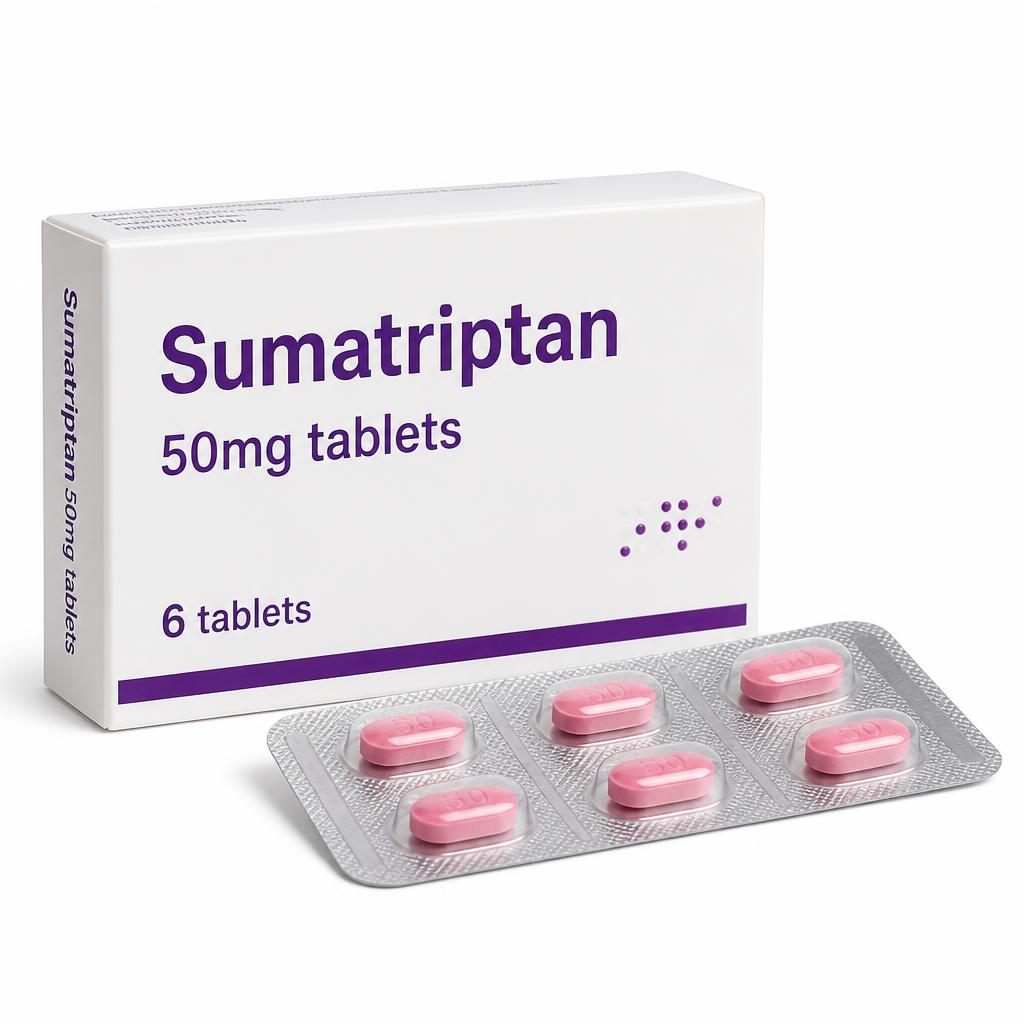
Sumatriptan 50–100 mg tablet, taken as soon as the headache starts

This medicine narrows blood vessels in the brain to relieve migraine pain. Take it right at the start of the headache (not during aura). If the headache comes back, you can take another dose after 2 hours, up to a daily limit of 300 mg.

An anti-inflammatory or paracetamol alongside the triptan

Taking naproxen or ibuprofen together with a triptan tends to work better than either alone. If you feel sick, an anti-sickness tablet can help too.

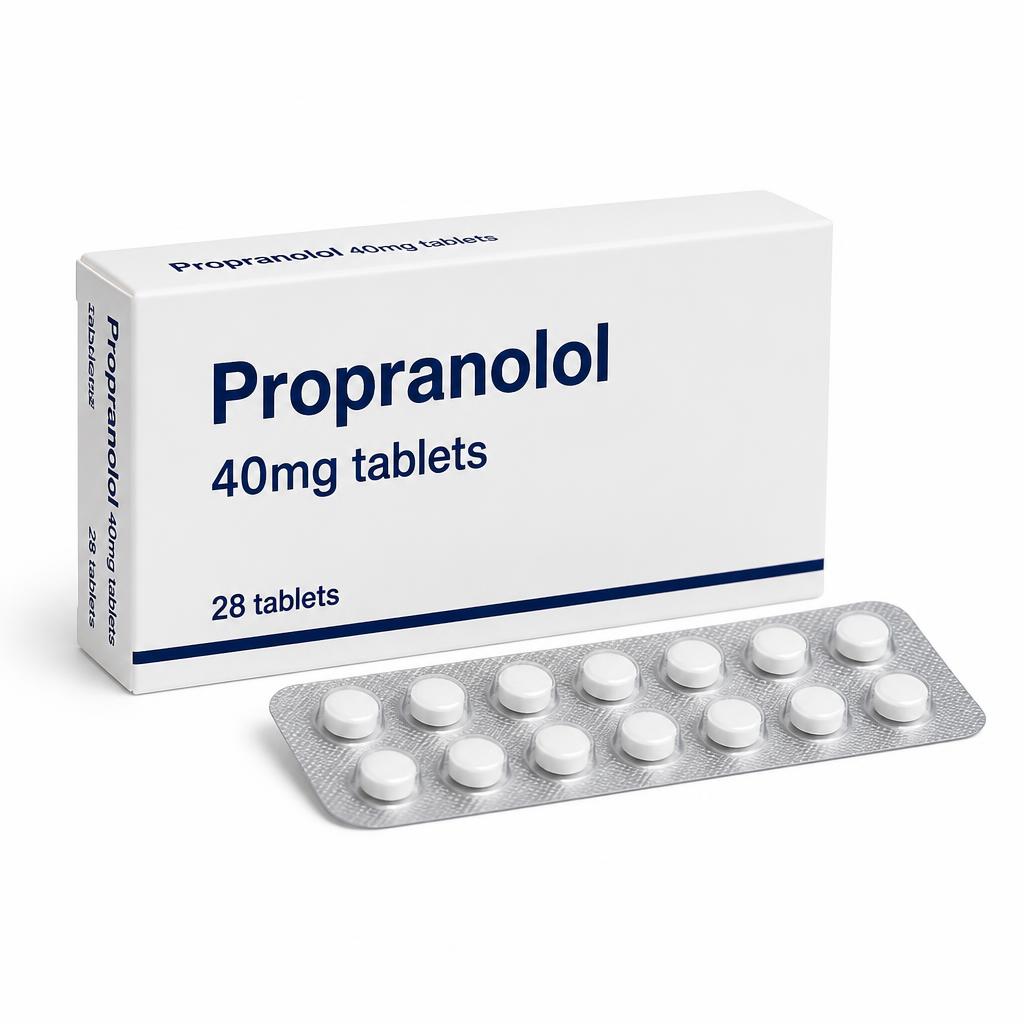
Propranolol, taken daily to prevent attacks

This is a beta-blocker used if you get migraines on 4 or more days a month. The dose is increased gradually, and you need to try it for 2–3 months before knowing if it's helping.

Doses shown are indicative. Any treatment is chosen by the prescriber at our partner pharmacy based on your answers.

Follow-up and reviews

  • Keep a diary of your headaches for at least 8 weeks so you and your prescriber can see if treatment is working
  • Try to use triptans on fewer than 10 days a month to avoid causing extra headaches
  • If you're taking a daily preventer like propranolol, this is usually reviewed after 3 months, and you may be able to stop it after 6–12 months if things have settled
  • If you're on propranolol, your blood pressure and pulse will be checked

Safety and who should avoid it

  • Triptans aren't suitable if you have heart disease, have had a stroke or mini-stroke, uncontrolled high blood pressure, or poor circulation
  • The combined contraceptive pill isn't recommended if you get migraine with aura
  • Propranolol isn't suitable if you have asthma, and needs care if you have diabetes or certain heart rhythm problems
  • Combining triptans with some antidepressants carries a small risk of a serious reaction called serotonin syndrome — tell your prescriber what else you take

Get urgent help if you notice

  • A sudden, extremely severe headache that peaks within a minute ('thunderclap' headache)
  • Headache along with a fever, stiff neck, rash or confusion
  • New weakness, slurred speech, personality changes or a seizure
  • A new headache after the age of 50, or one that wakes you from sleep or gets worse when you cough

Call 999 for an emergency, or NHS 111 for urgent advice.

When to see a doctor

  • A sudden, severe 'worst ever' headache (seek emergency care)
  • Headache with fever, rash, weakness or confusion
  • A clear change in your usual headache pattern

Treatments you can request

Common questions

Can painkillers make it worse?
Yes — using acute treatments on more than ten days a month can cause medication-overuse headache.
Can I take a triptan with migraine aura?
Usually yes, taken when the headache starts rather than during the aura.