
🚀 GetMeds Online is coming soon.
  • Order by 1pm — next-day delivery
  • 100% authentic UK medicine
  • Prescribers at our partner pharmacy
  • GPhC-registered pharmacy
  • Only pay if approved
  • Discreet delivery
GetMeds Online

GetMeds Online

Eczema and dermatitis

Dry, itchy, inflamed patches of skin that flare up and settle.
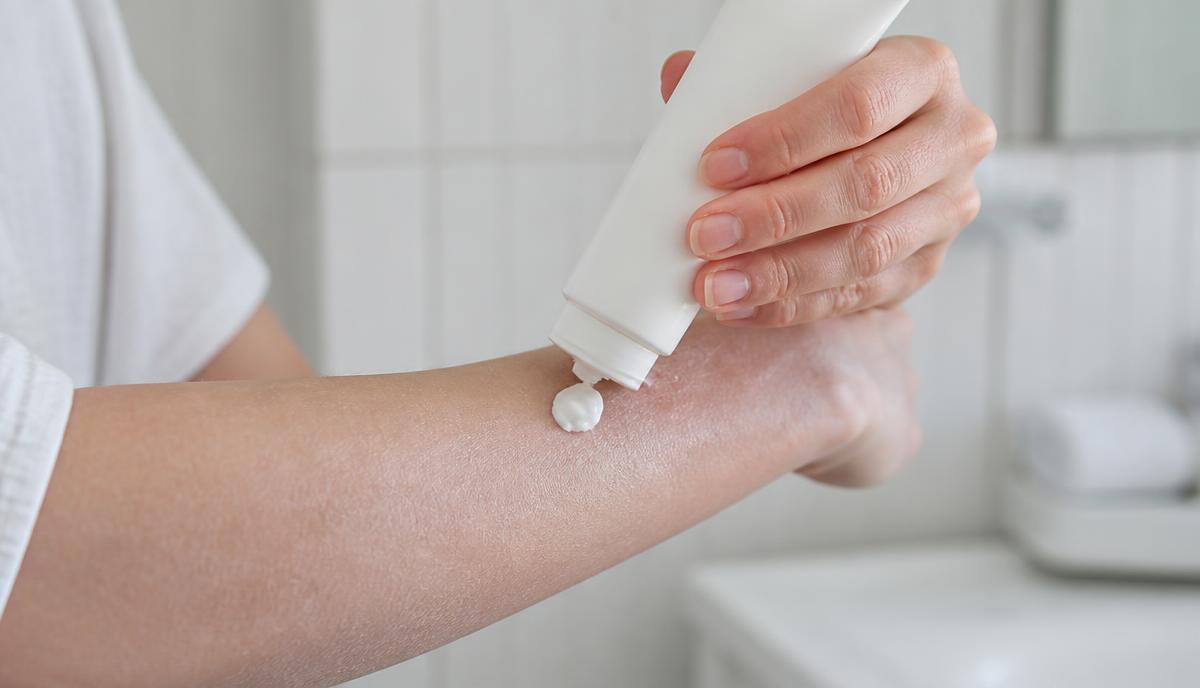
Eczema and dermatitis — everyday life photograph
This guide is general health information about Eczema and dermatitis. It is not personal medical advice and does not replace an assessment by your GP or pharmacist. Any treatment is only supplied after a consultation is reviewed by a UK prescriber at our partner pharmacy.

In short

Eczema is a long-term skin condition that makes skin dry, itchy and sometimes red or sore. It tends to flare up and settle down over time. Moisturisers (emollients) are the main everyday treatment, and steroid creams are used to calm flare-ups.

How common
Around 1 in 5 children get eczema
How much moisturiser
Adults with widespread eczema may need 250–500g a week
Face and skin folds
Only mild steroid creams should be used here, for short periods
How much to apply
A 'fingertip unit' (about 0.5g) covers an area the size of two adult palms

Overview

Eczema is managed with regular emollients and short courses of steroid cream during flares. Weeping, crusted or rapidly spreading skin may be infected and needs in-person review.

Common symptoms

  • Dry itchy patches
  • Redness and soreness
  • Skin thickening from scratching

What causes it

  • An impaired skin barrier, often inherited
  • Soaps, detergents, wool and fragrance
  • Stress, heat, sweat and house dust mite

What you can do yourself

  • Use an emollient generously and often, including when clear
  • Swap soap for an emollient wash
  • Keep nails short and consider cotton clothing

What you'll be asked

  1. 1Where the eczema is, how bad it is, and whether it's affecting your sleep, school or work
  2. 2What moisturiser you're using, how much, and how often you apply it
  3. 3What steroid creams you've used before, for how long, and whether they helped
  4. 4Any signs of infection, such as weeping, yellow crusting, pain or the rash getting worse quickly
  5. 5What triggers your flare-ups, such as soap, washing powder, heat, stress, or certain foods in babies

How it is usually treated

Emollients form the base of treatment. Short courses of a topical steroid matched to the site and severity settle flares, using the weakest effective strength on the face.

Emollients (moisturisers)

Used generously several times a day, and kept up even when your skin looks clear, to stop flares happening. Use instead of soap, and smooth on in the same direction your hair grows to avoid irritating hair follicles.

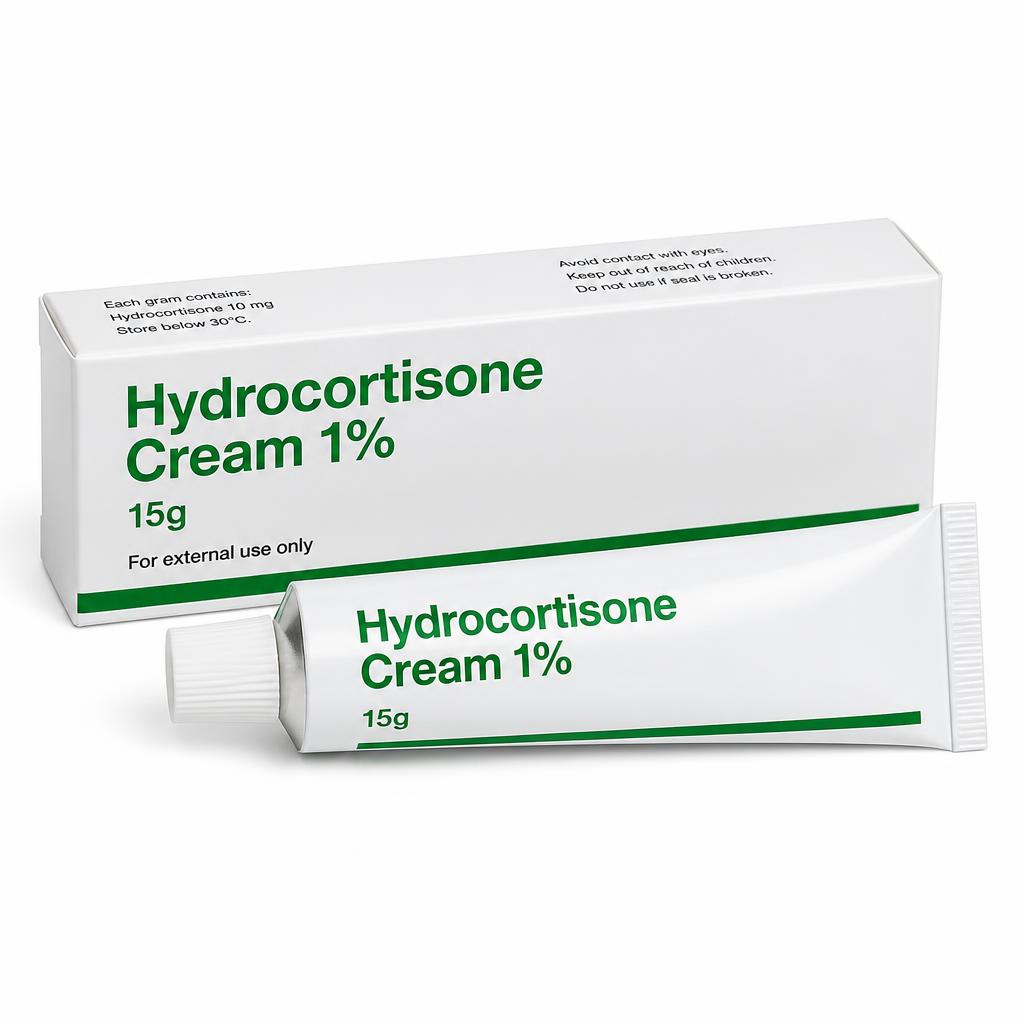
Hydrocortisone 1% cream

A mild steroid cream for the face, skin folds and mild flares, usually used for up to 7 days at a time. It reduces redness, itch and swelling.

Stronger steroid creams for the body

For flares on the body that need more than a mild steroid, used under guidance with a clear plan for when to stop and go back to moisturisers only.

Doses shown are indicative. Any treatment is chosen by the prescriber at our partner pharmacy based on your answers.

Follow-up and reviews

  • Have a review after 7–14 days if you're using a course of treatment for a flare
  • Check you're using enough moisturiser — not using enough is the most common reason treatment doesn't work
  • Watch for thinning skin if you keep using a stronger steroid cream on the same area
  • Ask about further options, such as light therapy or other treatments, if flares keep happening and are severe

Safety and who should avoid it

  • Avoid strong steroid creams on the face, eyelids and skin folds unless a specialist has advised it
  • Moisturisers containing paraffin can soak into fabric and are a fire risk near flames or cigarettes
  • Don't use a steroid cream on its own on infected skin
  • Being too worried about steroid creams and under-treating eczema can make flares last longer — short, correctly used courses are safe

Get urgent help if you notice

  • Get emergency help for a painful, quickly-spreading rash with clusters of blisters and a fever — this could be eczema herpeticum, which needs urgent treatment
  • Spreading redness, warmth, pus or feeling generally unwell
  • Eczema that isn't improving after two weeks of proper treatment
  • Severe eczema in a child that's affecting their sleep or growth

Call 999 for an emergency, or NHS 111 for urgent advice.

When to see a doctor

  • Weeping, crusting, or rapidly spreading skin — possible infection
  • Painful clusters of blisters (possible eczema herpeticum) — urgent
  • Eczema not settling after two weeks of treatment

Treatments you can request

Common questions

Are steroid creams safe?
Used correctly and for short courses, yes. Thinning is linked to prolonged, unsupervised use of strong steroids.
How much emollient should I use?
Far more than most people expect — several hundred grams a week for widespread eczema.