
🚀 GetMeds Online is coming soon.
  • Order by 1pm — next-day delivery
  • 100% authentic UK medicine
  • Prescribers at our partner pharmacy
  • GPhC-registered pharmacy
  • Only pay if approved
  • Discreet delivery
GetMeds Online

GetMeds Online

Cold sores and genital herpes

Recurring blisters caused by the herpes simplex virus.
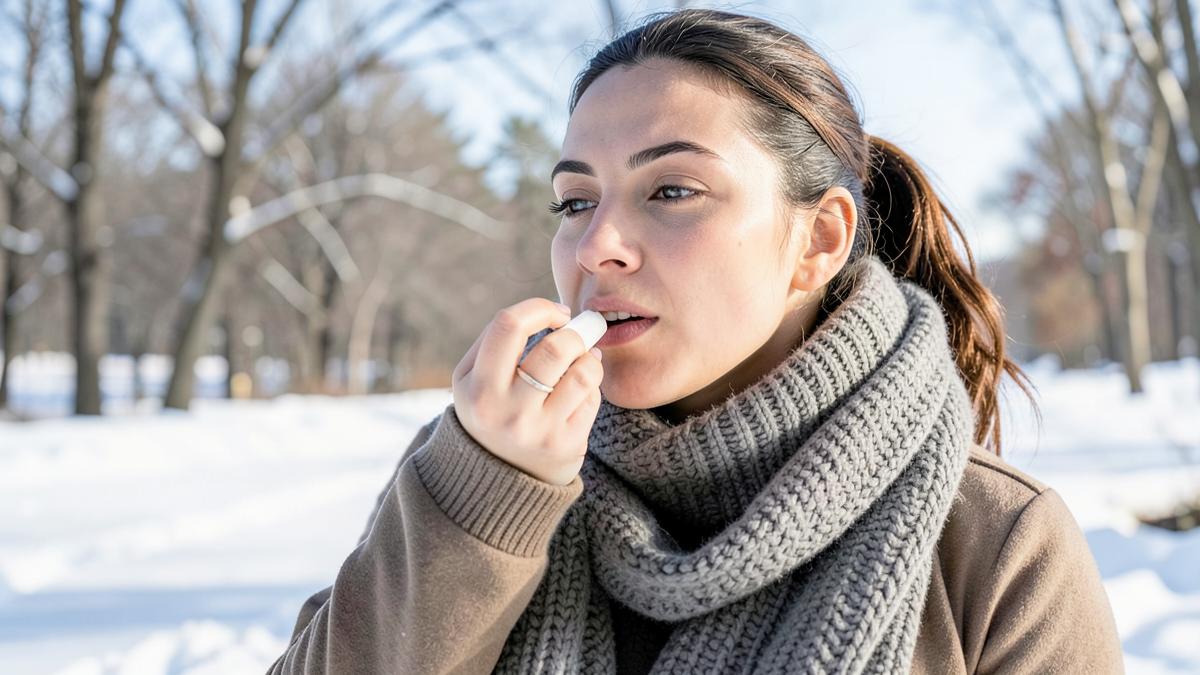
Cold sores and genital herpes — everyday life photograph
This guide is general health information about Cold sores and genital herpes. It is not personal medical advice and does not replace an assessment by your GP or pharmacist. Any treatment is only supplied after a consultation is reviewed by a UK prescriber at our partner pharmacy.

In short

A cold sore is a small, painful blister that usually appears on or around the lips. It's caused by a common virus (herpes simplex) that stays in your body and can flare up from time to time. Antiviral cream works best if you start using it the moment you feel the first tingle.

Cause
The herpes simplex virus (usually type 1)
How long it lasts
7–10 days if untreated
Best time to treat
Within 48 hours — ideally at the first tingle
When it's contagious
Until the sore has fully crusted over

Overview

Herpes simplex stays in the body after the first infection and can flare up at times of stress or illness. Antivirals shorten outbreaks and can reduce how often they happen.

Common symptoms

  • Tingling before blisters appear
  • Painful blisters or ulcers
  • Flu-like feeling with a first episode

What causes it

  • Herpes simplex virus, which stays dormant after the first infection
  • Flares triggered by stress, illness, sunlight or tiredness

What you can do yourself

  • Avoid kissing and sharing towels or utensils while blisters are present
  • Use a lip balm with SPF if sunlight triggers attacks
  • Do not touch the sore then your eyes

What you'll be asked

  1. 1Whether you notice a tingling, burning or itchy feeling on your lip before a blister appears
  2. 2How often you get cold sores, and what seems to bring them on, such as sunshine, illness or stress
  3. 3Whether you're pregnant, have eczema, or have a condition that weakens your immune system
  4. 4Whether your eye is affected, or you wear contact lenses

How it is usually treated

Antiviral tablets such as aciclovir or valaciclovir work best started at the first tingle. Frequent recurrences may be managed with a longer suppressive course.

Aciclovir 5% cream

An antiviral cream applied five times a day for five days. It works best if you start as soon as you feel the first tingle, before any blister appears.

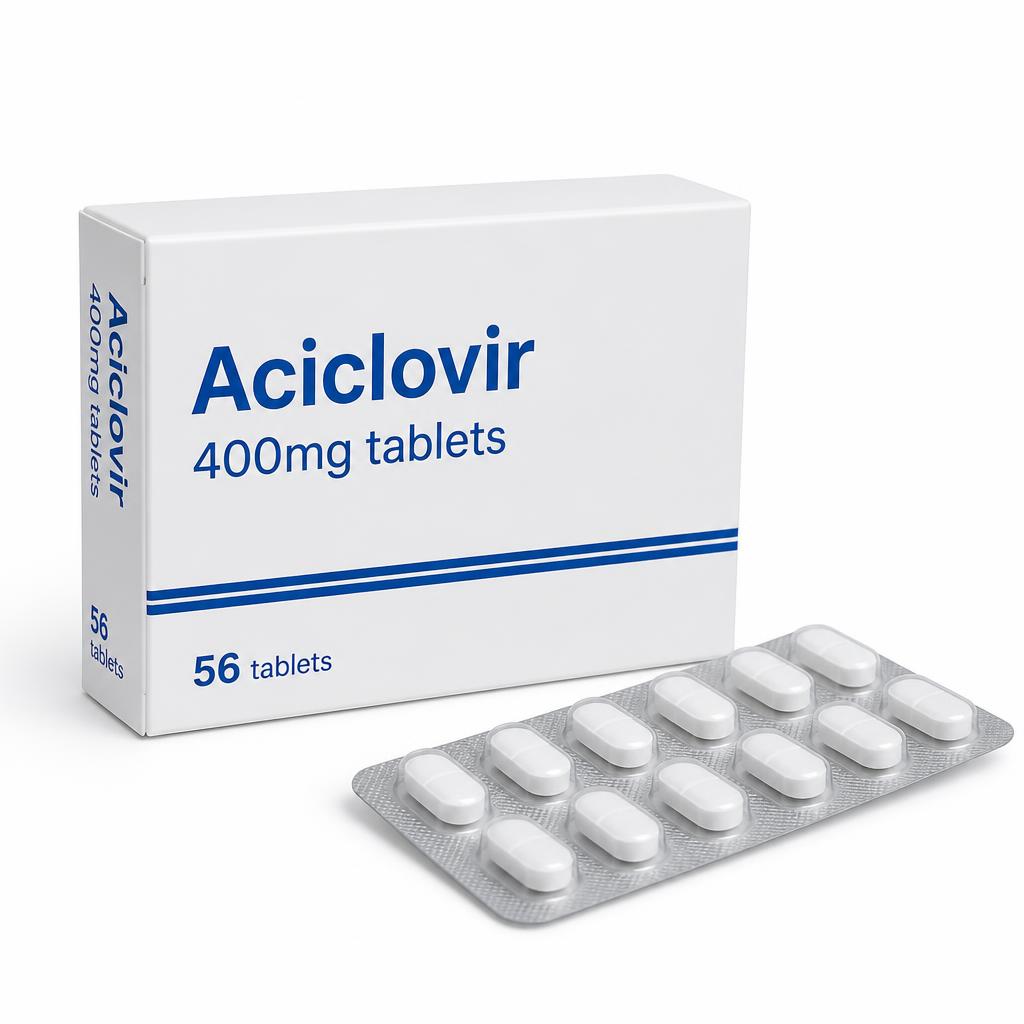
Aciclovir tablets, 200 mg five times a day

Tablets may be used for severe, frequent cold sores, or if your immune system is weakened. They need to be started within 48 hours of symptoms starting.

Simple self-care

Use a lip balm containing sunscreen, avoid touching the sore, wash your hands often, and take a painkiller if needed. Don't share towels, cups or lip products while you have a sore.

Doses shown are indicative. Any treatment is chosen by the prescriber at our partner pharmacy based on your answers.

Follow-up and reviews

  • A cold sore should heal within 7–10 days — get it checked if it isn't improving
  • If you get 6 or more cold sores a year, ask about a daily antiviral tablet to help prevent them
  • Think about what triggers your cold sores, including sun exposure and lack of sleep

Safety and who should avoid it

  • Don't touch a cold sore and then touch your eyes — this can cause a serious eye infection
  • Avoid kissing babies or anyone with a weakened immune system while you have an active sore
  • If you have eczema, a cold sore can spread across your skin and become a medical emergency — get help urgently if this happens

Get urgent help if you notice

  • Eye pain, redness or blurred vision
  • A widespread, painful rash over eczema-prone skin, together with a fever
  • A sore that hasn't healed after two weeks, or that spreads beyond your lip
  • A cold sore in a newborn baby, or in someone with a seriously weakened immune system

Call 999 for an emergency, or NHS 111 for urgent advice.

When to see a doctor

  • A first episode of genital herpes
  • Sores near the eye, or blurred vision
  • Pregnancy, or a weakened immune system

Treatments you can request

Common questions

Can it be cured?
No. Treatment shortens outbreaks and can reduce how often they occur.
Am I infectious between attacks?
Transmission is possible even without visible sores, though it is less likely.