🚀 GetMeds Online is coming soon.
  • Order by 1pm — next-day delivery
  • 100% authentic UK medicine
  • Prescribers at our partner pharmacy
  • GPhC-registered pharmacy
  • Only pay if approved
  • Discreet delivery
GetMeds Online

GetMeds Online

Erectile dysfunction

Difficulty getting or keeping an erection firm enough for sex.

Erectile dysfunction — everyday life photograph
This guide is general health information about Erectile dysfunction. It is not personal medical advice and does not replace an assessment by your GP or pharmacist. Any treatment is only supplied after a consultation is reviewed by a UK prescriber at our partner pharmacy.

In short

Erectile dysfunction is when you can't get or keep an erection firm enough for sex, on a regular basis. It's often linked to blood flow, so it can be an early sign of heart or blood vessel problems as well as something to treat in its own right.

How common
Around 1 in 5 men over 40 are affected, and it gets more common with age
Main treatment
Tablets called PDE5 inhibitors (such as sildenafil and tadalafil)
How fast it works
Sildenafil: 30–60 minutes. Tadalafil: 30 minutes to 2 hours
How long it lasts
Sildenafil: 4–6 hours. Tadalafil: up to 36 hours
Never combine with
Nitrate medicines or nicorandil (used for chest pain/angina)

Overview

Erectile dysfunction is very common and becomes more likely with age. It can be caused by stress, alcohol, tiredness or relationship worries, and can also be an early sign of heart, blood pressure or diabetes problems, which is why a proper assessment matters.

Common symptoms

  • Trouble getting an erection
  • Trouble keeping an erection long enough for sex
  • Reduced interest in sex

What causes it

  • Stress, anxiety, tiredness or relationship worries
  • Alcohol, smoking and recreational drugs
  • Diabetes, high blood pressure or raised cholesterol
  • Some prescribed medicines, including certain antidepressants

What you can do yourself

  • Cut down on alcohol and stop smoking
  • Aim for regular activity and a healthy weight
  • Check your blood pressure and, if relevant, blood sugar
  • Talk to your partner or a counsellor if anxiety is part of the picture

What you'll be asked

  1. 1How long you've had the problem, and whether it came on suddenly or gradually
  2. 2Whether you still get erections in the morning or during sleep
  3. 3Your general heart health — blood pressure, cholesterol, whether you smoke, have diabetes, or get out of breath easily
  4. 4Every medicine you take, especially anything for chest pain (nitrates, nicorandil), blood pressure (alpha-blockers), or a drug called riociguat
  5. 5Whether stress, anxiety, low mood or relationship worries could be playing a part
  6. 6How much alcohol you drink and whether you use recreational drugs, including amyl nitrite ('poppers')

How it is usually treated

First-line treatment is usually a PDE5 inhibitor taken before sex, such as sildenafil or tadalafil. A daily low-dose tadalafil option suits people who prefer not to plan ahead. These medicines cannot be used with nitrates or nicorandil.

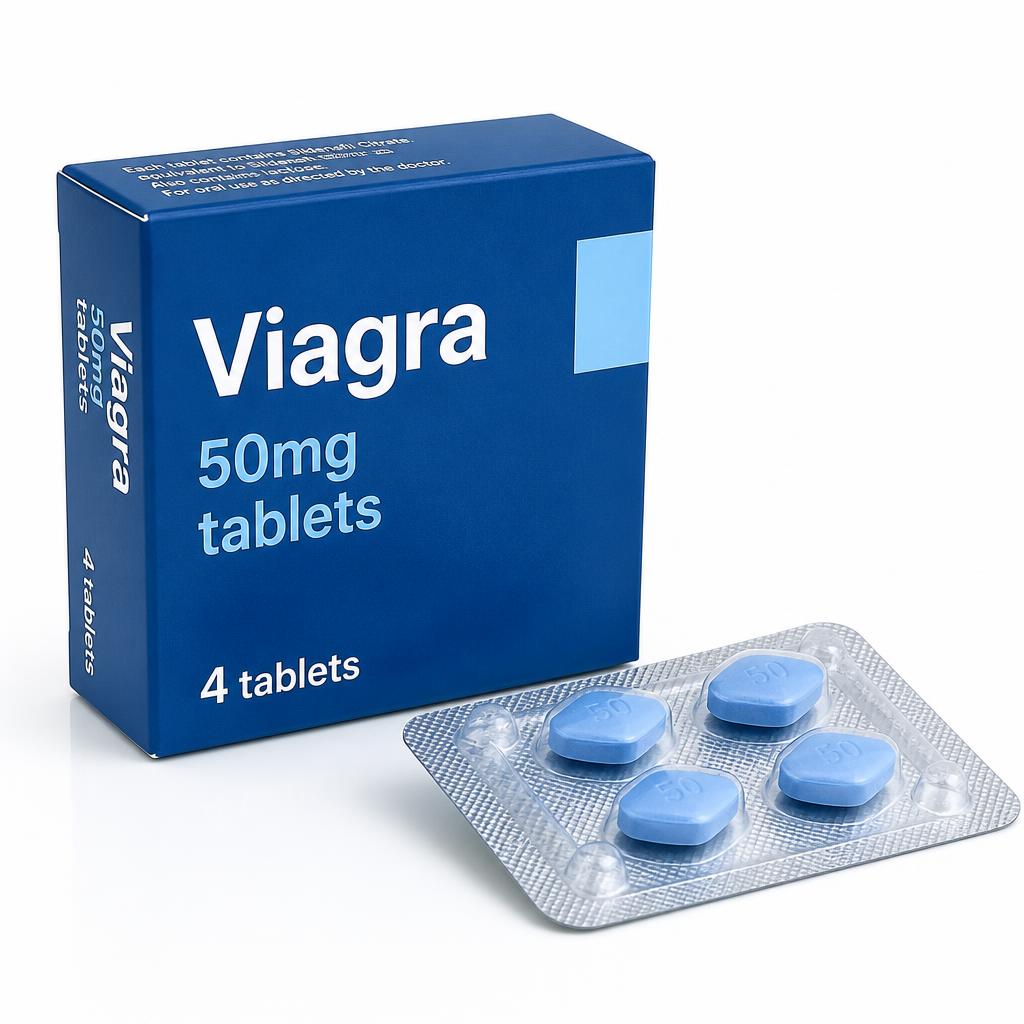
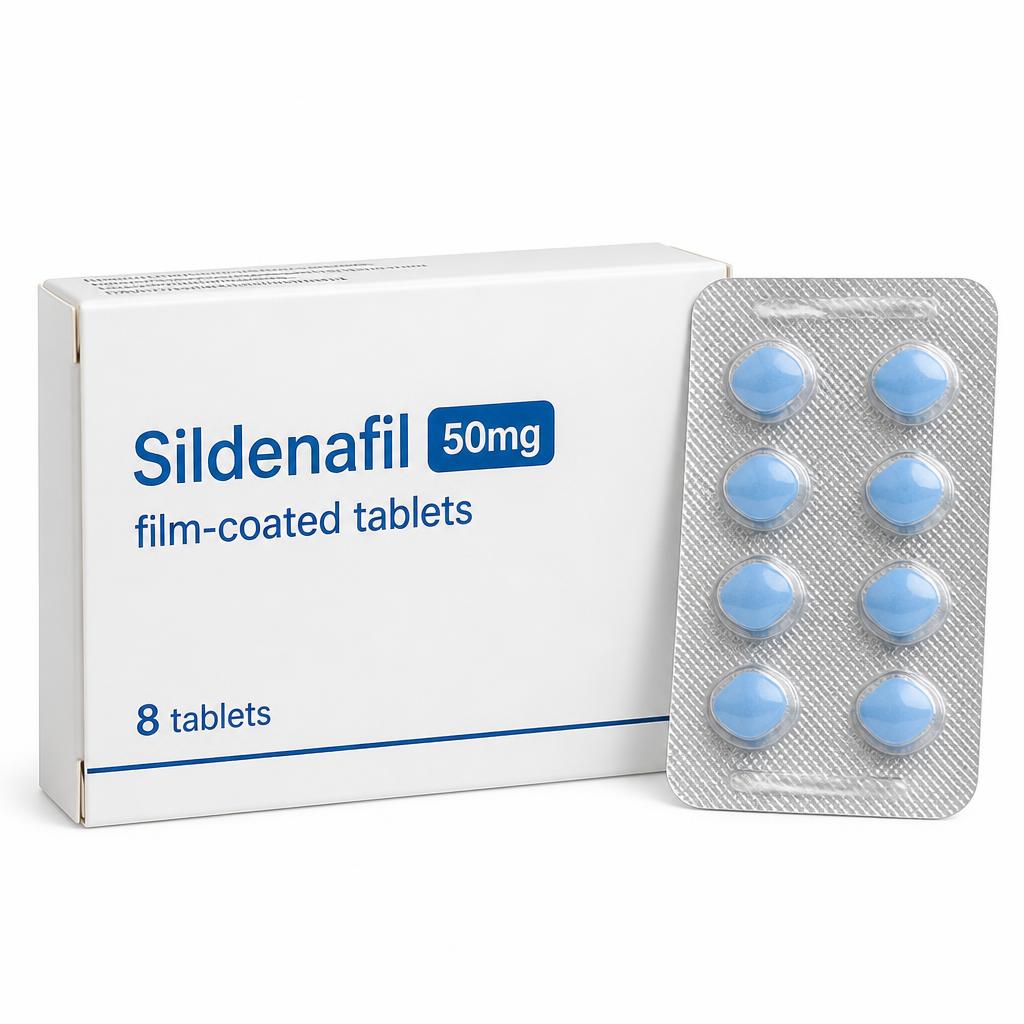
Sildenafil (Viagra) 25–100 mg, taken when needed

Take it 30–60 minutes before sex, and no more than once in 24 hours. A heavy or fatty meal can make it work more slowly, so try to avoid eating a big meal beforehand. Most men start on 50 mg, but your prescriber may suggest a lower 25 mg dose if you have liver or significant kidney problems, are over 70, or take certain other medicines.

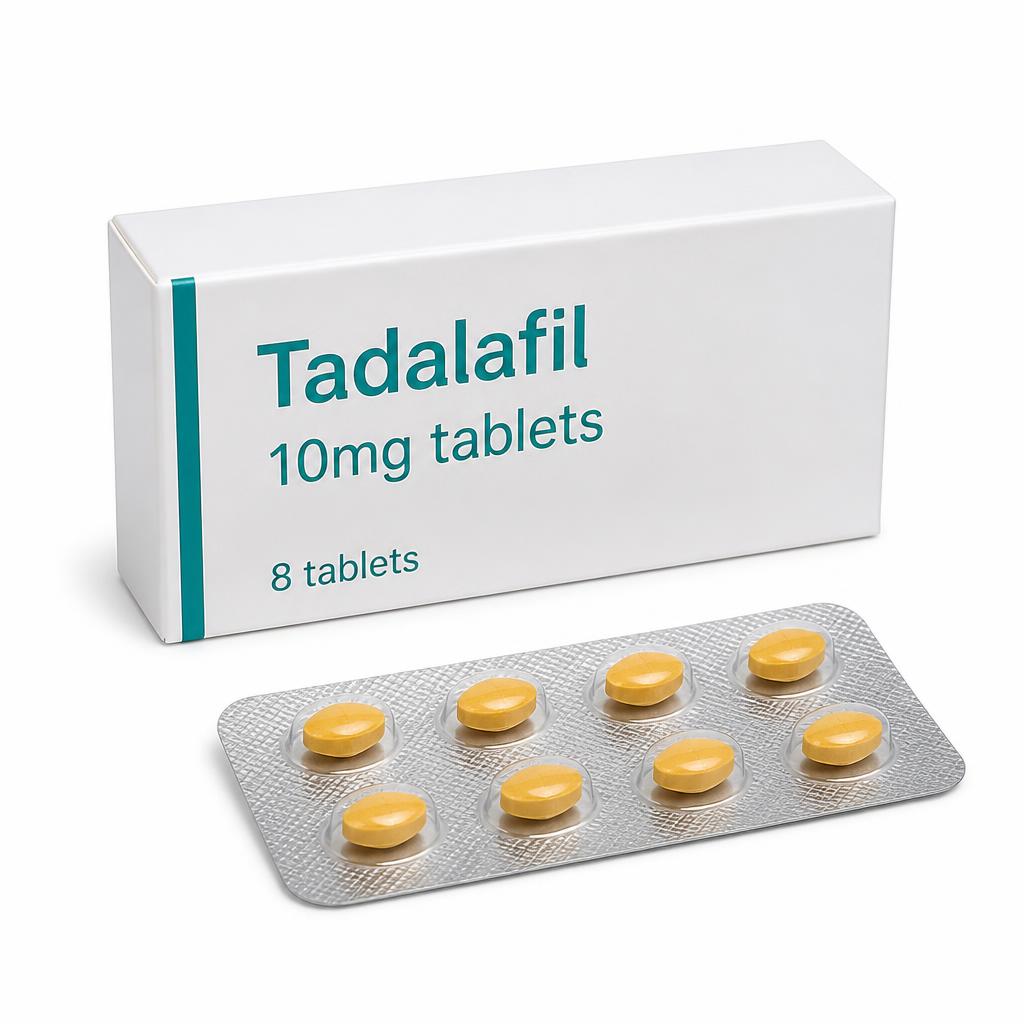
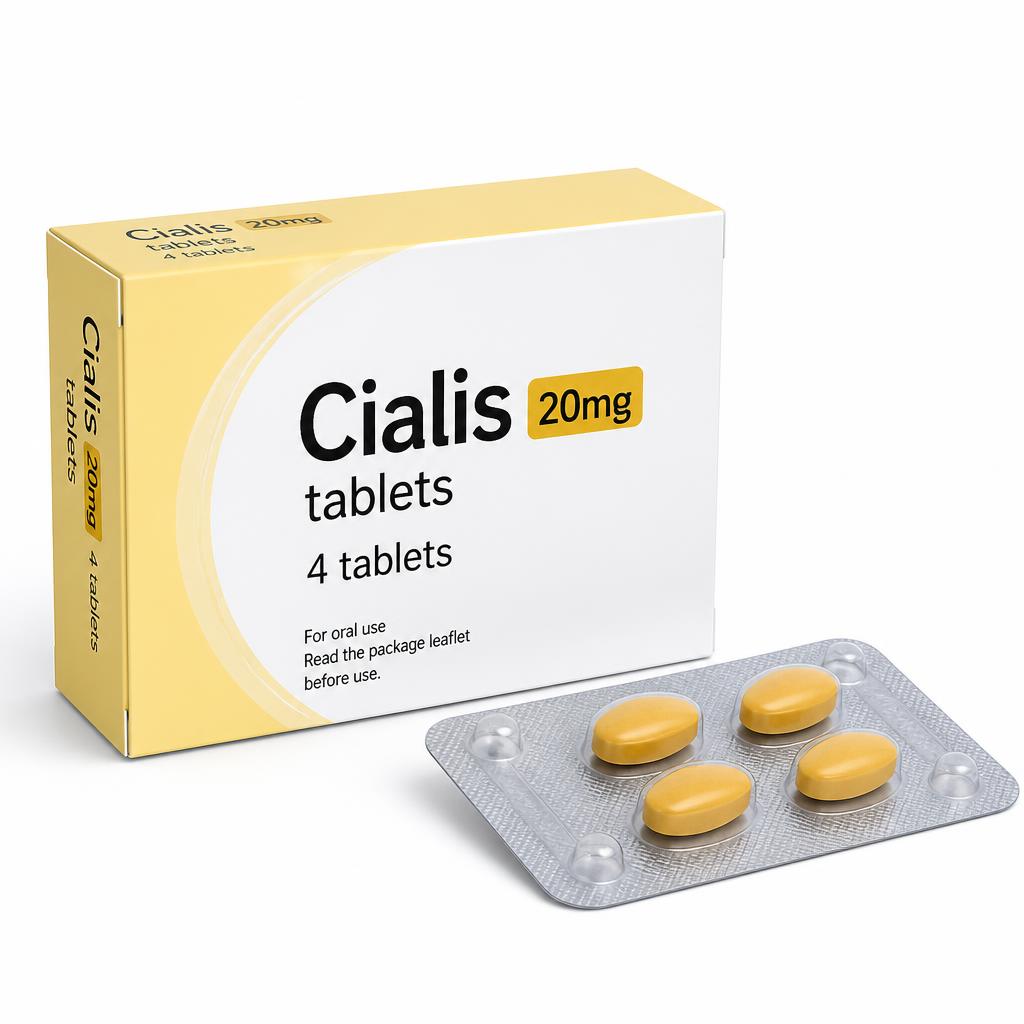
Tadalafil (Cialis) 10–20 mg, taken when needed

Works for up to 36 hours, so you don't need to plan the exact time you'll have sex. Food doesn't affect it much, which makes it more flexible than sildenafil.

Tadalafil 2.5–5 mg, taken every day

A low daily dose that keeps you 'ready' all the time rather than needing to plan ahead — useful if you have sex twice a week or more, or if you also have urinary symptoms from an enlarged prostate.

Doses shown are indicative. Any treatment is chosen by the prescriber at our partner pharmacy based on your answers.

Follow-up and reviews

  • Try the highest dose you've been prescribed on four to six separate occasions before deciding it isn't working for you
  • Have your blood pressure and general heart health risk checked at least once a year
  • Ask for a blood test to check your blood sugar (HbA1c) and cholesterol if you haven't had one in the last year
  • If two different tablets haven't worked at the full dose, ask to be referred to a specialist

Safety and who should avoid it

  • Do not take this if you use nitrate medicines or nicorandil — the combination can dangerously lower your blood pressure
  • Avoid if you take riociguat, and be careful if you take alpha-blockers for blood pressure or prostate symptoms
  • Avoid for 90 days after a heart attack, stroke, or a serious abnormal heart rhythm
  • Take care if you have low blood pressure, unstable angina, or severe liver disease
  • Not suitable if you have certain inherited eye conditions (such as retinitis pigmentosa)

Get urgent help if you notice

  • An erection lasting more than 4 hours (called priapism) — this is a medical emergency, go to A&E
  • Sudden loss of vision or hearing after taking a dose — stop taking it and get medical help straight away
  • Chest pain during sex
  • Erectile dysfunction along with a bend, pain or a hard lump in the penis — this could be a separate condition (Peyronie's disease) that needs checking

Call 999 for an emergency, or NHS 111 for urgent advice.

When to see a doctor

  • Erection problems that start suddenly, especially if you are under 40
  • Chest pain or breathlessness on exertion
  • A painful erection lasting more than four hours (seek emergency care)

Treatments you can request

Common questions

Is erectile dysfunction a sign of something more serious?
It can be an early warning of heart or circulation problems, so a blood pressure check and a review of your general health are always worth doing.
Do these treatments increase desire?
No. They improve blood flow in response to arousal; they do not create arousal on their own.