
🚀 GetMeds Online is coming soon.
  • Order by 1pm — next-day delivery
  • 100% authentic UK medicine
  • Prescribers at our partner pharmacy
  • GPhC-registered pharmacy
  • Only pay if approved
  • Discreet delivery
GetMeds Online

GetMeds Online

Chlamydia

The most commonly diagnosed sexually transmitted infection in the UK.

Chlamydia — everyday life photograph
This guide is general health information about Chlamydia. It is not personal medical advice and does not replace an assessment by your GP or pharmacist. Any treatment is only supplied after a consultation is reviewed by a UK prescriber at our partner pharmacy.

In short

Chlamydia is the most commonly diagnosed sexually transmitted infection (STI) in the UK. Many people have no symptoms at all, so testing is important if you might be at risk. A short course of antibiotics clears it up, and it's important that any recent sexual partners are tested and treated too.

Most affected age group
Under-25s
No symptoms
Around 70% of women and 50% of men notice nothing
Usual treatment
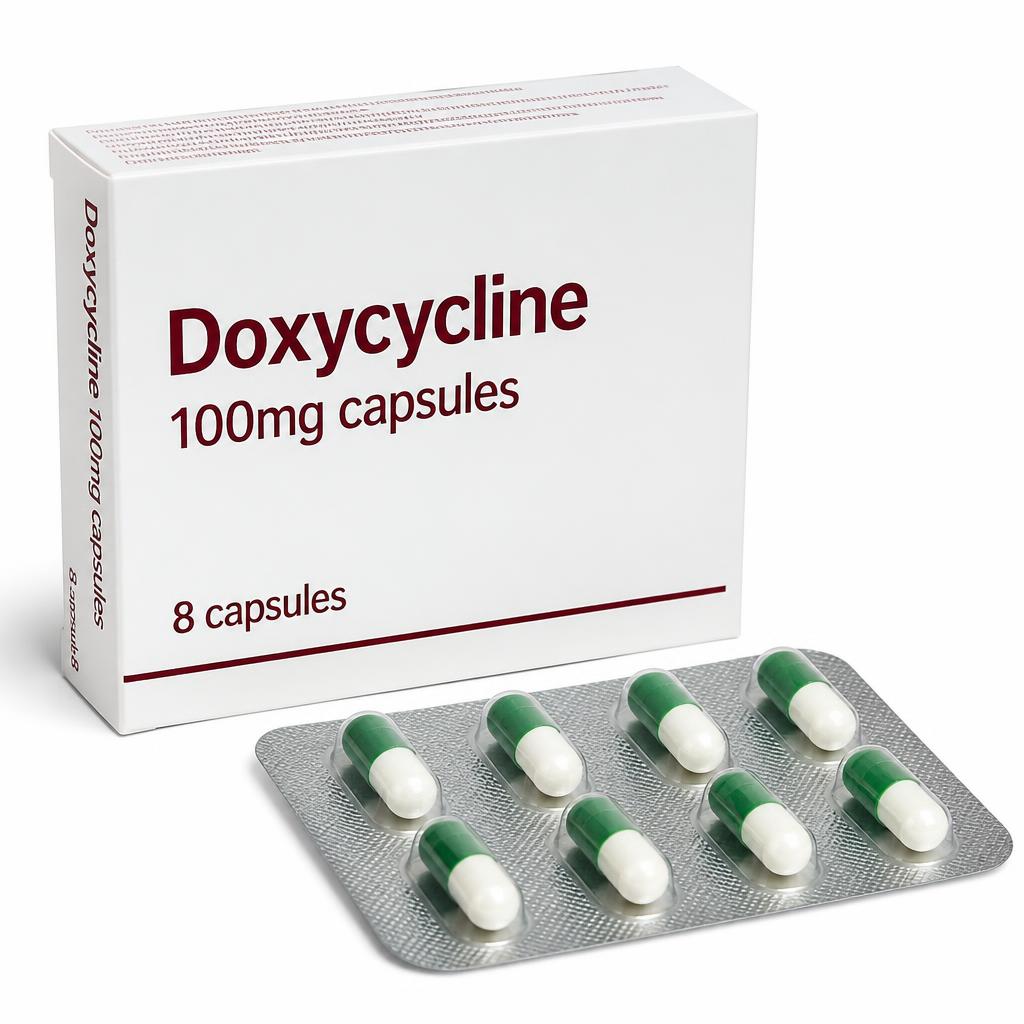
Doxycycline capsules, twice a day for 7 days
Follow-up test
A repeat test at 3 months to check you haven't caught it again

Overview

Chlamydia often causes no symptoms at all, which is why testing matters. It is treated with a short antibiotic course, and recent partners should also be tested.

Common symptoms

  • Often no symptoms
  • Unusual discharge
  • Pain when passing urine

What causes it

  • Unprotected vaginal, anal or oral sex
  • Sharing sex toys without washing or covering them

What you can do yourself

  • Avoid sex until treatment is finished and partners are treated
  • Tell recent partners so they can be tested
  • Retest if you are under 25 or symptoms return

What you'll be asked

  1. 1Confirming your positive test result and which part of the body was tested
  2. 2Any symptoms that might suggest the infection has spread, such as pelvic pain, testicle pain, fever or unusual bleeding
  3. 3Whether you might be pregnant, and any allergies you have
  4. 4Your recent sexual partners, so they can be tested and treated, and whether you should be tested for other infections including HIV

How it is usually treated

A short course of doxycycline is the usual first-line treatment. A positive test result is normally required before treatment, and partner notification is an essential part of care.

Doxycycline 100 mg, twice a day for 7 days

The usual first-choice antibiotic for a straightforward infection. Take it with a full glass of water, and stay sitting or standing upright afterwards.

Azithromycin (an alternative antibiotic)

Used if doxycycline isn't suitable for you, for example during pregnancy. This would be arranged with specialist guidance.

Telling recent partners

Anyone you've had sex with in the last six months should be tested and treated too. Avoid sex for seven days after you and your partner(s) have both finished treatment.

Doses shown are indicative. Any treatment is chosen by the prescriber at our partner pharmacy based on your answers.

Follow-up and reviews

  • A repeat test at three months is recommended if you're under 25 or still at risk, to check you haven't been reinfected
  • A 'test of cure' to check the treatment worked is only needed in specific situations, such as pregnancy or if the rectum was infected
  • Go back for review after two weeks if your symptoms haven't gone
  • You may be offered a full check-up for other STIs and blood-borne viruses at the same time

Safety and who should avoid it

  • Doxycycline shouldn't be taken in pregnancy or while breastfeeding
  • It can make your skin more sensitive to sunlight — use a strong sunscreen and avoid intense sun
  • Don't take antacids, iron tablets or dairy products at the same time as your dose, as they reduce how well it's absorbed
  • Don't lie down for 30 minutes after taking a dose, as it can irritate your throat

Get urgent help if you notice

  • Lower tummy or pelvic pain with a fever (this could mean the infection has spread — pelvic inflammatory disease)
  • Testicle pain or swelling
  • A positive result during pregnancy
  • Symptoms that carry on even after you've finished your treatment

Call 999 for an emergency, or NHS 111 for urgent advice.

When to see a doctor

  • Pelvic or testicular pain, or fever
  • Pregnancy
  • Symptoms that persist after treatment

Treatments you can request

Common questions

Can I have it without symptoms?
Yes — most people have none, which is why testing matters.
Can it affect fertility?
Untreated infection can, which is why prompt treatment is important.