
Prescription required
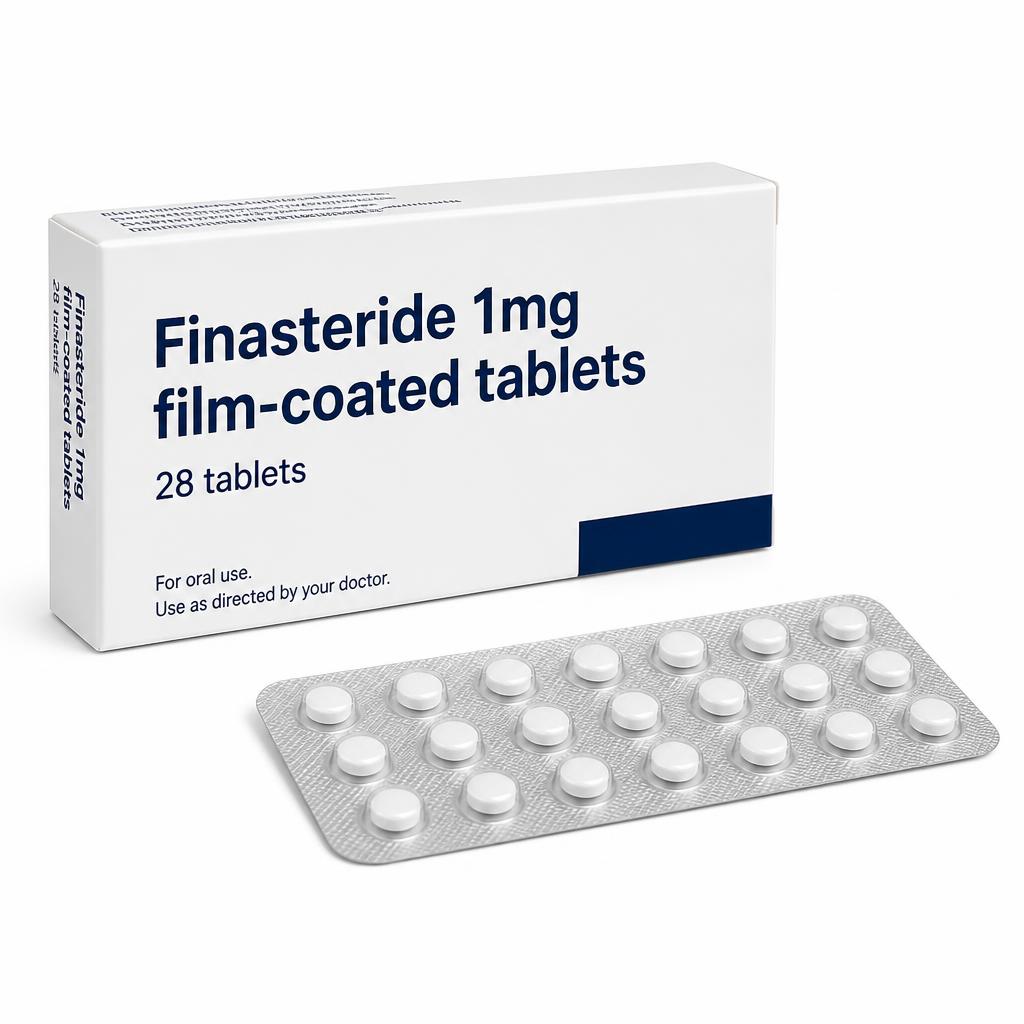
Finasteride
Male pattern hair loss
- Strengths:
- 1mg
- Indicative price:
- £14.39
GetMeds Online
Gradual thinning at the temples and crown caused by hormones and genetics.
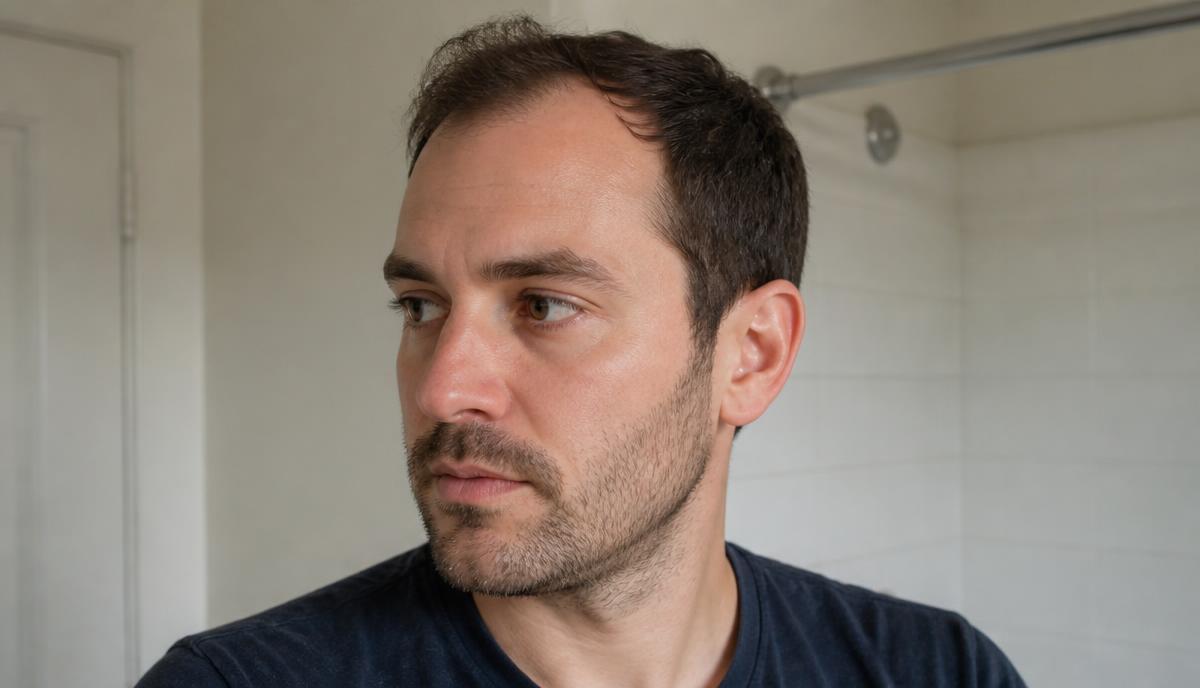
Male pattern hair loss is a genetic type of hair thinning, caused by a hormone called DHT shrinking hair follicles on the scalp over time. It follows a typical pattern — receding at the temples and thinning on the crown. Treatment can slow it down or partly regrow hair, but it won't fully restore a young hairline.
Male pattern hair loss affects around half of men by the age of fifty. Treatment works best when it is started early, and it needs to be continued to keep any benefit.
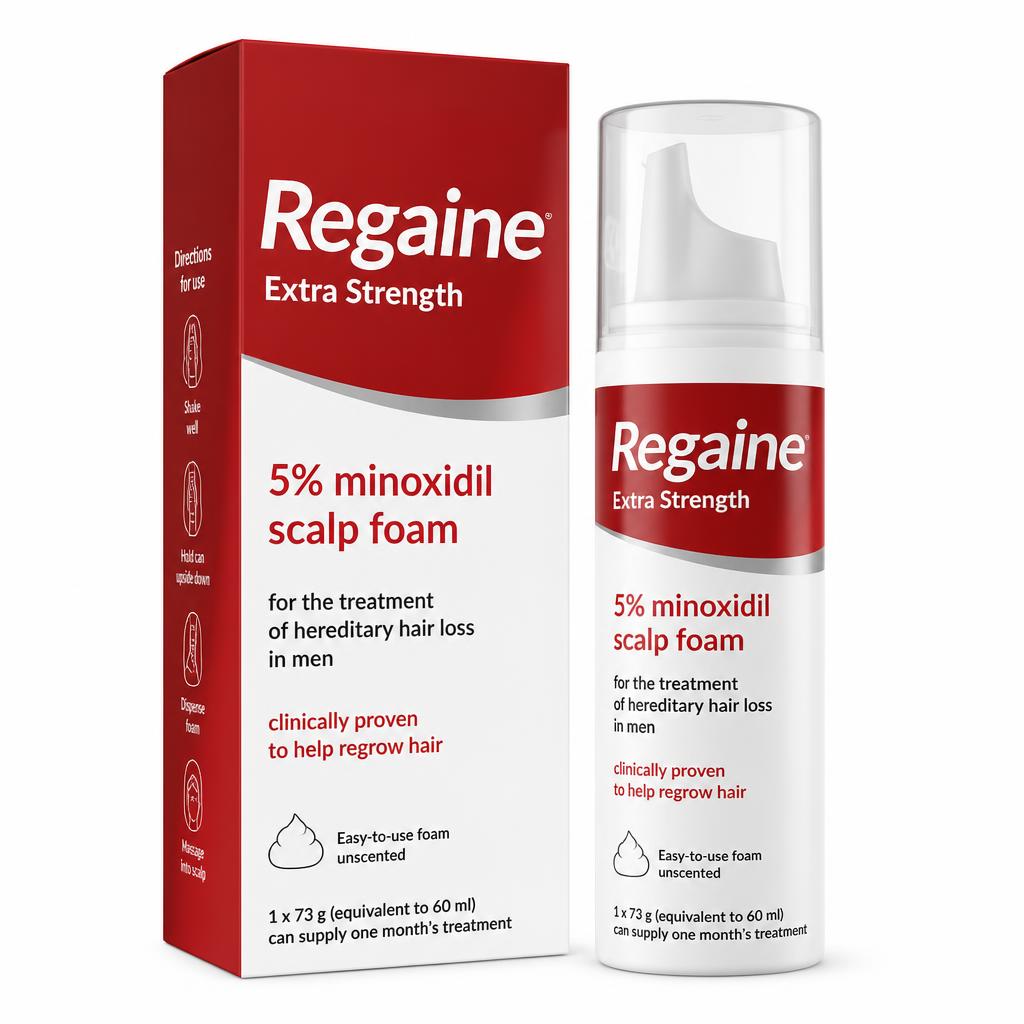
Topical minoxidil is applied to the scalp twice daily; oral finasteride reduces DHT. Both need at least three to six months before benefit is clear, and any benefit is lost within months of stopping.
Rub into a dry scalp twice a day. It's normal to notice more shedding for the first 2–8 weeks — this doesn't mean it's not working, so don't stop. Don't apply it to broken or irritated skin.
Lowers the level of the hormone (DHT) in your scalp that shrinks hair follicles. It stops further hair loss in most men who take it, and a smaller number see some regrowth.
Combining minoxidil and finasteride works better than either one alone, according to trial evidence.
Doses shown are indicative. Any treatment is chosen by the prescriber at our partner pharmacy based on your answers.
Call 999 for an emergency, or NHS 111 for urgent advice.
Male pattern hair loss
Male pattern hair loss