🚀 GetMeds Online is coming soon.
  • Order by 1pm — next-day delivery
  • 100% authentic UK medicine
  • Prescribers at our partner pharmacy
  • GPhC-registered pharmacy
  • Only pay if approved
  • Discreet delivery
GetMeds Online

GetMeds Online

Malaria prevention

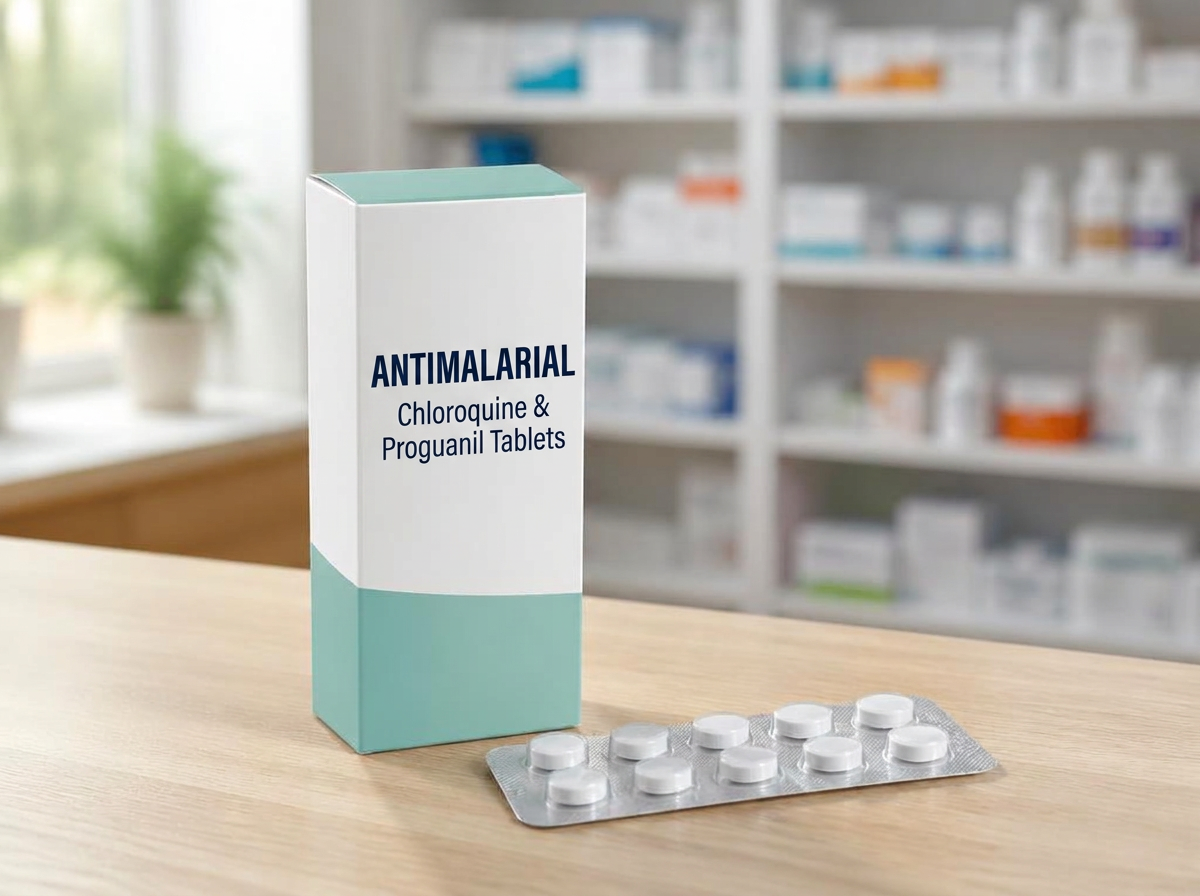
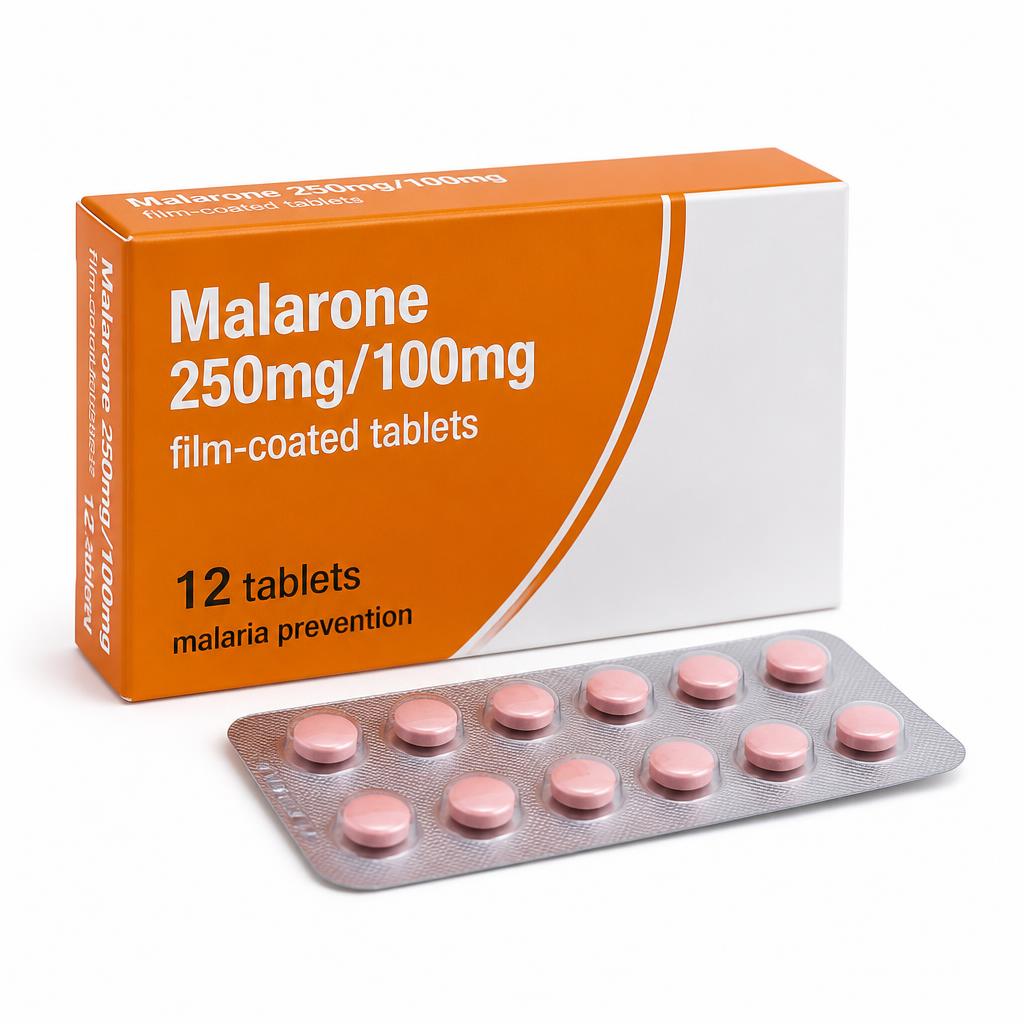
Antimalarial tablets for travel to affected regions.

Malaria prevention — everyday life photograph
This guide is general health information about Malaria prevention. It is not personal medical advice and does not replace an assessment by your GP or pharmacist. Any treatment is only supplied after a consultation is reviewed by a UK prescriber at our partner pharmacy.

In short

Malaria is a serious illness spread by mosquito bites in many tropical countries. Preventing it means taking the right anti-malaria tablets for your trip and avoiding bites — no medicine gives 100% protection, so both matter.

Remember: A-B-C-D
Awareness, Bite avoidance, Correct tablets, and prompt Diagnosis if unwell
Atovaquone/proguanil
Start 1–2 days before travel, stop 7 days after returning
Doxycycline
Start 1–2 days before travel, stop 4 weeks after returning
Important to know
A fever any time up to a year after travel could still be malaria

Overview

The right antimalarial depends on your destination, how long you are staying and your medical history. Bite avoidance remains just as important as tablets.

Common symptoms

  • Travel to a malaria area
  • Fever after travel needs urgent care

What causes it

  • Bites from infected Anopheles mosquitoes, mainly between dusk and dawn
  • Risk varies by country, season and altitude

What you can do yourself

  • Use 50% DEET repellent and cover up at night
  • Sleep under an insecticide-treated net
  • Start tablets before travel and finish the full course afterwards

What you'll be asked

  1. 1Exactly where you're going, whether it's rural or in cities, altitude, time of year and how long you'll be away
  2. 2Whether you're pregnant or breastfeeding, and your age and weight
  3. 3Any kidney or liver problems, epilepsy, or mental health conditions
  4. 4Other medicines you take, and how you've reacted to anti-malaria tablets before

How it is usually treated

The right antimalarial depends on the destination and your health. Atovaquone/proguanil starts one to two days before travel; doxycycline two days before; mefloquine two to three weeks before.

Atovaquone/proguanil, once a day

Generally well tolerated with a short course needed after you get home, making it good for shorter trips. Take with food or a milky drink.

Doxycycline 100 mg, once a day

A cheaper option that also helps protect against some other travel infections, but it can make your skin more sensitive to sunlight.

Avoiding bites

Use an insect repellent containing 50% DEET, sleep under nets treated with an insecticide, cover up between dusk and dawn, and use air conditioning where you can.

Doses shown are indicative. Any treatment is chosen by the prescriber at our partner pharmacy based on your answers.

Follow-up and reviews

  • Make sure you finish the full course of tablets after you return home — most cases of malaria happen because people stop too early
  • Get medical help and testing urgently for any fever during your trip or within a year of coming home
  • If your travel plans change, check whether you need a different tablet

Safety and who should avoid it

  • Doxycycline shouldn't be used in pregnancy or in children under 12
  • Atovaquone/proguanil isn't suitable if you have severe kidney problems
  • Anti-malaria tablets can interact with warfarin, some epilepsy medicines and antacids
  • Tablets reduce your risk but don't remove it completely — any fever must still be checked out

Get urgent help if you notice

  • A fever, chills or flu-like illness during or after travel — get this checked urgently and mention where you've been
  • Confusion, a seizure, yellowing of the skin or eyes, or passing very little urine
  • Vomiting that stops you keeping your tablets down

Call 999 for an emergency, or NHS 111 for urgent advice.

When to see a doctor

  • Any fever during or up to a year after travel — treat as a medical emergency
  • Pregnancy, epilepsy, depression or kidney problems before choosing tablets

Treatments you can request

Common questions

Do tablets guarantee protection?
No. They greatly reduce risk but bite avoidance is equally important.
How long do I keep taking them?
Depending on the medicine, for one to four weeks after leaving the area.