🚀 GetMeds Online is coming soon.
  • Order by 1pm — next-day delivery
  • 100% authentic UK medicine
  • Prescribers at our partner pharmacy
  • GPhC-registered pharmacy
  • Only pay if approved
  • Discreet delivery
GetMeds Online

GetMeds Online

Contraception

Combined and progestogen-only pills to prevent pregnancy.
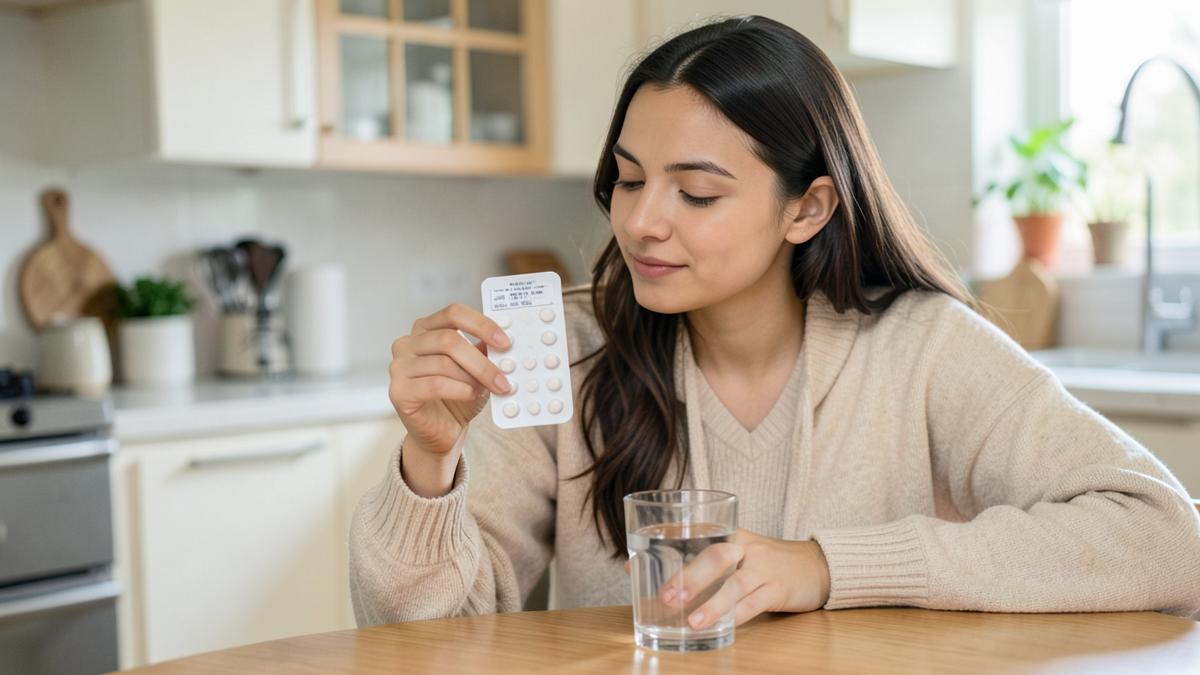
Contraception — everyday life photograph
This guide is general health information about Contraception. It is not personal medical advice and does not replace an assessment by your GP or pharmacist. Any treatment is only supplied after a consultation is reviewed by a UK prescriber at our partner pharmacy.

In short

Hormonal contraception, such as the combined pill or the progestogen-only pill, works very well at preventing pregnancy when taken correctly. Which type is safe for you depends on things like your blood pressure, weight, whether you smoke, get migraines, or have ever had a blood clot.

Effectiveness in real life
About 9 in 100 people using it get pregnant each year, mainly because of missed pills
Effectiveness used perfectly
Fewer than 1 in 100 people per year
Missed-pill window (progestogen-only pill)
12 hours for desogestrel-type pills, 3 hours for older types
Missed-pill window (combined pill)
More than 24 hours late counts as a missed pill

Overview

Oral contraception is over 99% effective when taken correctly. A blood pressure reading and a check of your medical history are needed before a prescriber can consider a supply.

Common symptoms

  • Wanting reliable pregnancy prevention
  • Continuing an existing pill
  • Heavy or painful periods

What causes it

  • Choice of method depends on your health, age and preferences
  • Some medicines and conditions rule out oestrogen-containing pills

What you can do yourself

  • Know an up-to-date blood pressure, height and weight
  • Set a daily alarm — timing matters most for progestogen-only pills
  • Use condoms as well to protect against infections

What you'll be asked

  1. 1Your blood pressure and weight, checked within the last 12 months
  2. 2Whether you get migraines with warning symptoms (aura) — this means you can't use the combined pill
  3. 3Whether you or a close family member has had a blood clot, a clotting disorder, or long periods of being immobile
  4. 4Whether you smoke and your age — smoking plus being 35 or over rules out the combined pill
  5. 5Whether you're breastfeeding, and any other medicines you take, including some that reduce how well the pill works

How it is usually treated

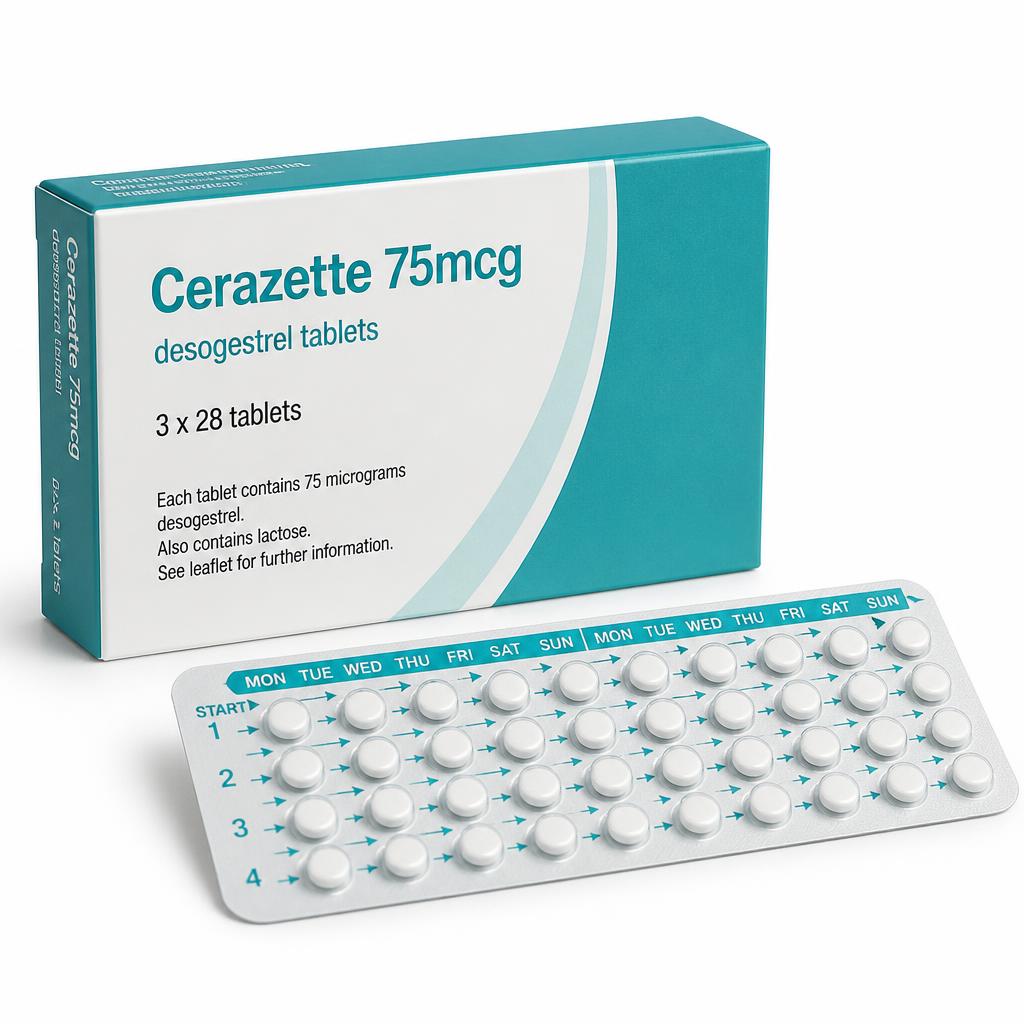
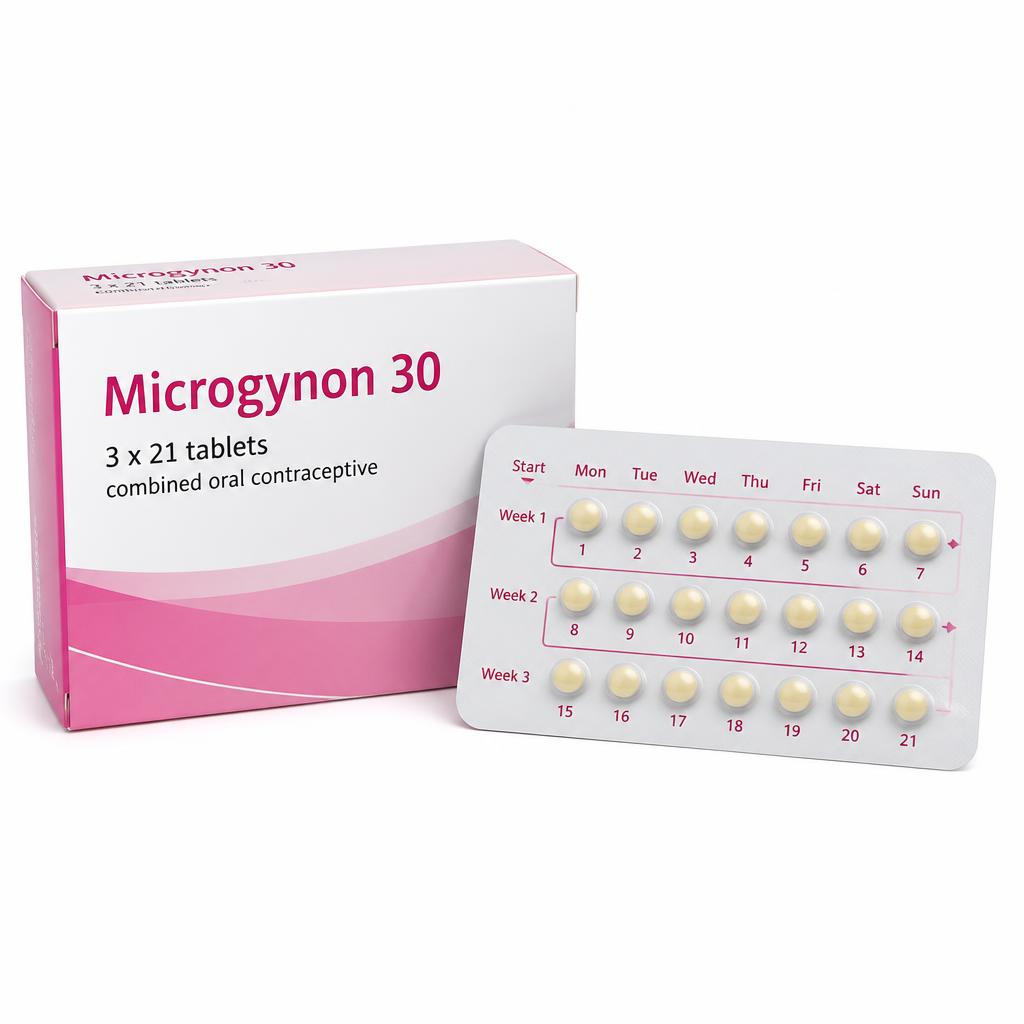
Combined pills contain oestrogen and progestogen; progestogen-only pills suit people who cannot take oestrogen, including many who smoke, have migraine with aura or are breastfeeding.

Combined pill (contains oestrogen and progestogen)

Taken once a day. It can also be taken back-to-back with a shorter or no break to reduce bleeding, and often makes periods lighter and less painful.

Progestogen-only pill (desogestrel)

Taken every single day with no break, and you have a 12-hour window if you're late. Good if you can't take oestrogen — for example if you're breastfeeding or get migraines with aura.

Short-term ('bridging') supply

A short course of the pill to cover you while you arrange a longer-acting method, such as an implant, injection or coil — these work better than any pill.

Doses shown are indicative. Any treatment is chosen by the prescriber at our partner pharmacy based on your answers.

Follow-up and reviews

  • Your blood pressure and weight are checked when you start and at least once a year after
  • Tell your prescriber about any new or unusual headaches, especially with visual disturbance, at each check
  • Let your prescriber know about any new health condition, new medicine, or surgery that will keep you immobile for a while
  • Remember that contraception doesn't protect against sexually transmitted infections — ask about testing separately

Safety and who should avoid it

  • Do not take the combined pill if you get migraines with aura, have a BMI of 35 or more with other risk factors, uncontrolled high blood pressure, or have had a blood clot before
  • Some medicines — including certain epilepsy drugs, an antibiotic called rifampicin, and the herbal remedy St John's wort — make the pill less effective
  • Being sick within 2 hours of taking a pill, or having severe diarrhoea, means it may not have been properly absorbed
  • The pill is less effective for about 7 days after you've missed one or more doses — use condoms as well during this time

Get urgent help if you notice

  • Pain or swelling in one calf, breathlessness, or sharp chest pain that's worse when you breathe in (possible blood clot) — seek urgent medical help
  • A sudden, severe headache, visual disturbance, weakness, or difficulty speaking
  • Severe stomach pain, yellowing of the skin or eyes, or unusually heavy or unexplained bleeding
  • Blood pressure readings consistently at or above 140/90 while taking the combined pill

Call 999 for an emergency, or NHS 111 for urgent advice.

When to see a doctor

  • Migraine with aura, a clot history, or blood pressure above 140/90
  • Unexplained bleeding between periods
  • A breast lump or a strong family history of breast cancer

Treatments you can request

Common questions

What if I miss a pill?
Follow the leaflet for your specific pill and use condoms for the advised number of days; emergency contraception may be needed.
Do antibiotics stop it working?
Most do not, but enzyme-inducing medicines such as rifampicin do — always check.