🚀 GetMeds Online is coming soon.
  • Order by 1pm — next-day delivery
  • 100% authentic UK medicine
  • Prescribers at our partner pharmacy
  • GPhC-registered pharmacy
  • Only pay if approved
  • Discreet delivery
GetMeds Online

GetMeds Online

Asthma

A long-term condition causing wheeze, cough and breathlessness.

Asthma — everyday life photograph
This guide is general health information about Asthma. It is not personal medical advice and does not replace an assessment by your GP or pharmacist. Any treatment is only supplied after a consultation is reviewed by a UK prescriber at our partner pharmacy.

In short

Asthma is a lung condition that makes your airways swollen and narrow, so it's harder to breathe. Symptoms can come and go. If you're using your reliever inhaler a lot, that's a sign your asthma isn't well controlled and needs a review.

Sign of poor control
Using your reliever inhaler 3 or more times a year (in full canisters) is a warning sign
Check-ups
At least once a year, and within 48 hours of any bad flare-up
Inhaler technique
Up to 7 in 10 people don't use their inhaler quite right — it's worth checking yours
Preventer inhaler
Taken daily, it calms the inflammation that causes symptoms

Overview

Asthma is managed with a daily preventer inhaler and a reliever for symptoms. Anyone requesting inhalers needs an up-to-date review with their own GP or asthma nurse.

Common symptoms

  • Wheezing
  • Coughing at night
  • Breathlessness or chest tightness

What causes it

  • Airway inflammation and sensitivity
  • Triggers such as pollen, dust, pets, cold air, exercise and infections
  • Smoking and air pollution

What you can do yourself

  • Take your preventer every day, even when you feel well
  • Check your inhaler technique and use a spacer if advised
  • Keep a written asthma action plan and attend annual reviews

What you'll be asked

  1. 1How often you get symptoms, wake at night, or can't do normal activities
  2. 2How often you use your reliever (blue) inhaler and how many you've used in the last year
  3. 3Whether you've had any bad flare-ups, needed steroid tablets, or been to A&E
  4. 4Whether you're using your inhaler correctly and taking your preventer as prescribed, and whether you have a written asthma action plan
  5. 5What sets off your asthma, whether you smoke, and if you have hay fever or exposure to things at work that affect your breathing

How it is usually treated

Regular inhaled steroid preventers control inflammation; relievers ease symptoms. Needing a reliever three or more times a week means your asthma is not controlled and needs review.

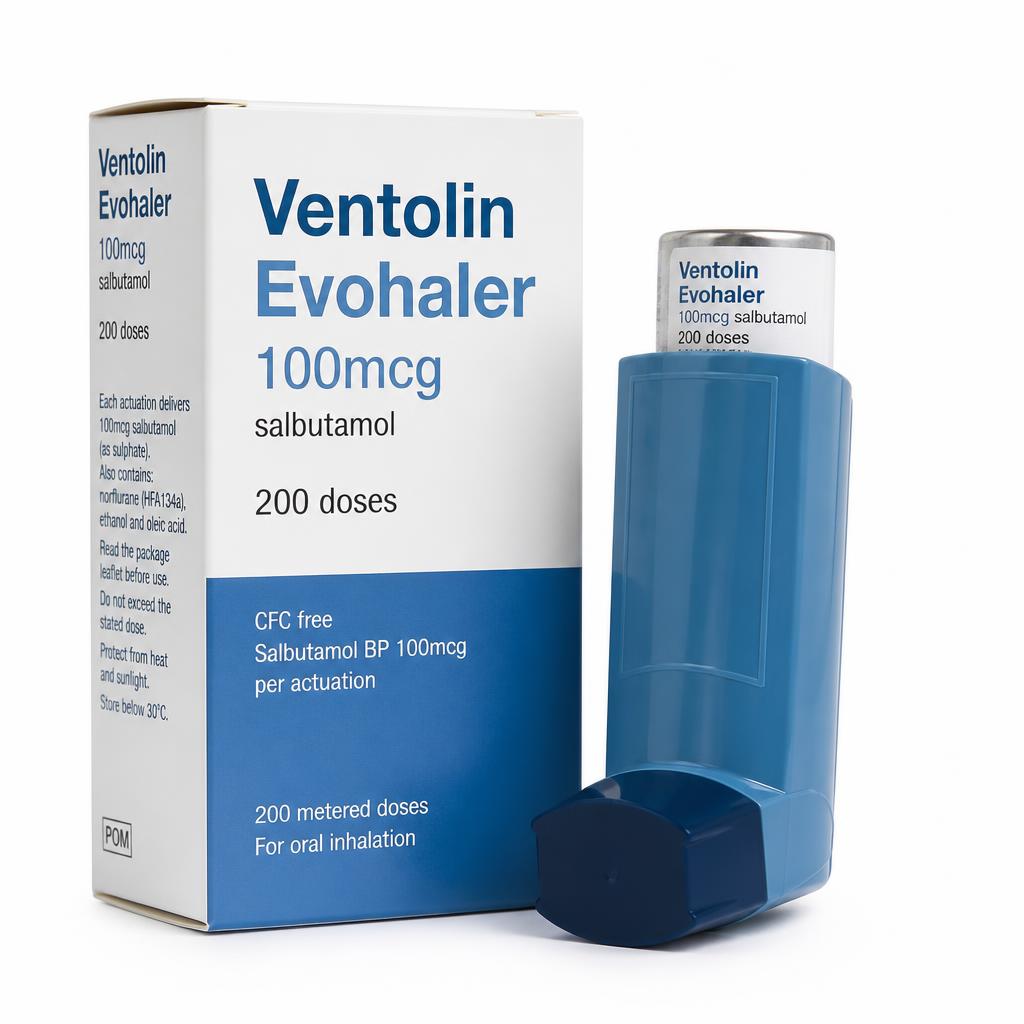
Salbutamol inhaler (usually blue)

This is your 'reliever' — it quickly relaxes your airways when you're wheezy or breathless. If you need it 3 or more times a week, tell your prescriber, as your treatment may need changing.

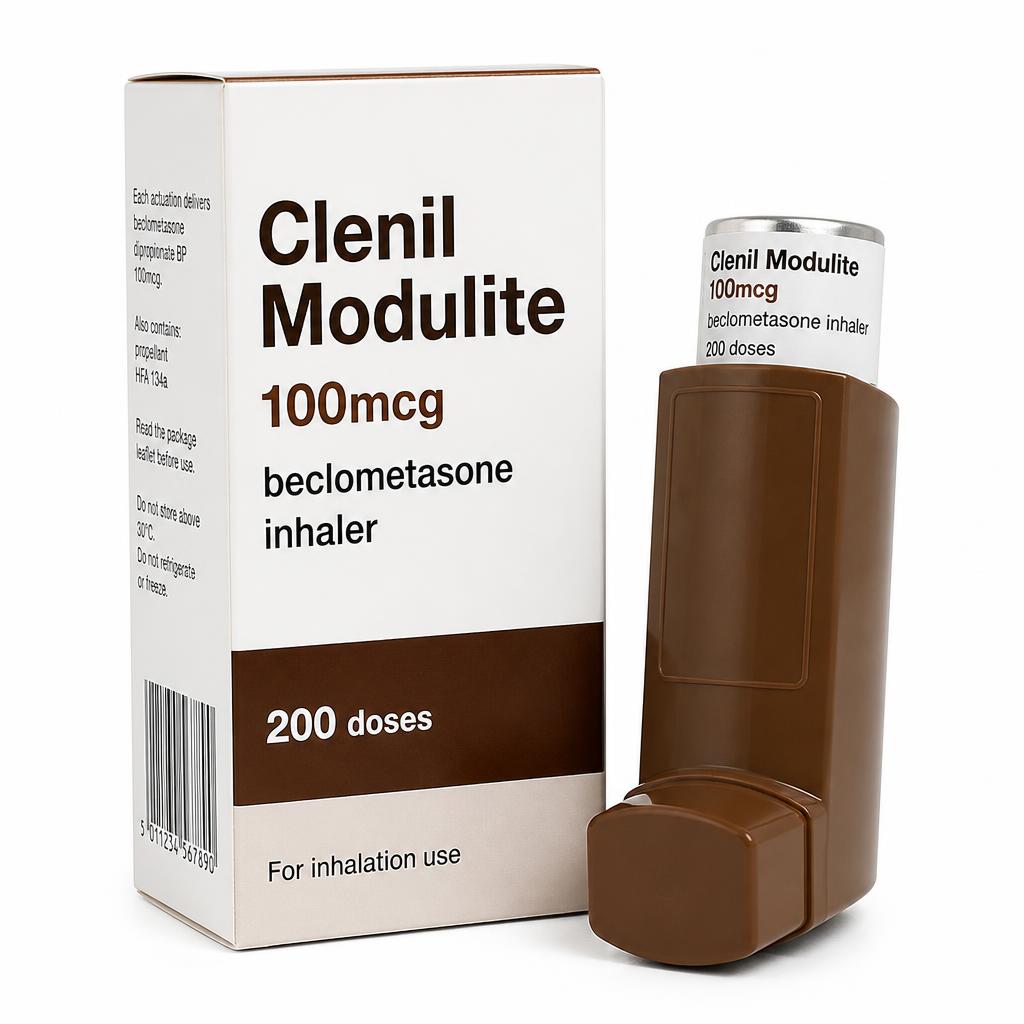
Inhaled corticosteroid preventer inhaler

Taken every day, even when you feel well, to calm down the inflammation in your airways and stop symptoms building up. Rinse your mouth out after use to avoid a sore mouth or thrush.

Spacer device

A plastic tube that attaches to your inhaler. It helps more medicine reach your lungs and less end up in your mouth, and cuts down on side effects. Most people benefit from using one.

Doses shown are indicative. Any treatment is chosen by the prescriber at our partner pharmacy based on your answers.

Follow-up and reviews

  • Have a yearly check-up where someone checks your inhaler technique and updates your action plan
  • Keep a peak flow diary (blowing into a small device) if your treatment is being changed
  • Book a review within 48 hours of any flare-up or emergency visit
  • Have a flu jab each year if it's recommended for you

Safety and who should avoid it

  • Using only your reliever inhaler is not safe long term — you also need a preventer if you get symptoms often
  • Anti-inflammatory painkillers (like ibuprofen) and some beta-blocker medicines, including eye drops, can trigger asthma symptoms
  • Taking high doses of steroid inhalers for a long time can affect the rest of your body, so doses are kept as low as possible
  • You shouldn't keep getting repeat inhalers without a recent check-up

Get urgent help if you notice

  • Call 999 if you're too breathless to talk in full sentences, your lips look blue, or your chest feels silent
  • Your reliever inhaler isn't helping, or wears off before 4 hours
  • Your peak flow reading drops below half of your usual best
  • You've needed steroid tablets for asthma twice or more in a year

Call 999 for an emergency, or NHS 111 for urgent advice.

When to see a doctor

  • Reliever not helping, or needed more often than usual
  • Waking at night with symptoms
  • Struggling to speak in full sentences — call 999

Treatments you can request

Common questions

Can I get inhalers without seeing anyone?
No. Requests need an up-to-date asthma review with your own GP or asthma nurse.
Do steroid inhalers cause side effects?
Doses are low; rinsing your mouth after use reduces hoarseness and oral thrush.