🚀 GetMeds Online is coming soon.
  • Order by 1pm — next-day delivery
  • 100% authentic UK medicine
  • Prescribers at our partner pharmacy
  • GPhC-registered pharmacy
  • Only pay if approved
  • Discreet delivery
GetMeds Online

GetMeds Online

Acne

Spots, blackheads and inflammation, most often on the face, chest and back.
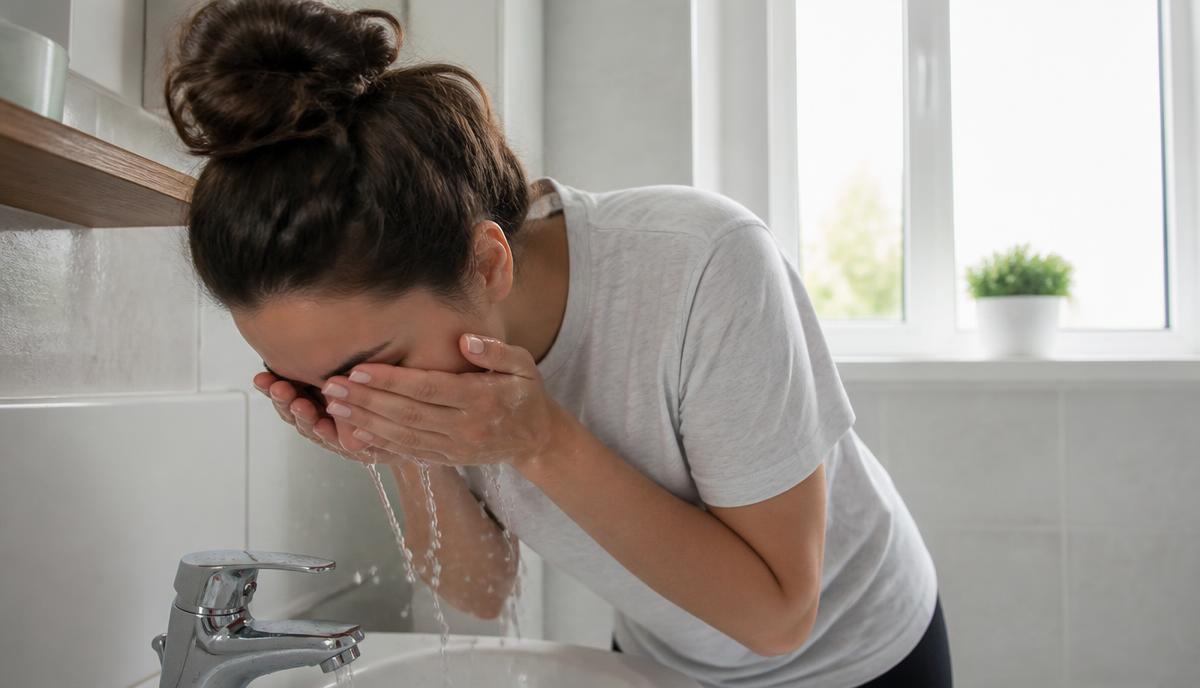
Acne — everyday life photograph
This guide is general health information about Acne. It is not personal medical advice and does not replace an assessment by your GP or pharmacist. Any treatment is only supplied after a consultation is reviewed by a UK prescriber at our partner pharmacy.

In short

Acne happens when pores in the skin get blocked with oil and dead skin, and bacteria cause spots and inflammation. Creams that combine treatments work best, and any antibiotics are used alongside another treatment and only for a limited time.

Most common age
The teenage years, but it can carry on into your 20s and 30s
How long to judge a treatment
8–12 weeks before deciding if it's working
Antibiotic courses
Usually no longer than 6 months
Severe acne
Deep, cystic spots need an early referral to avoid scarring

Overview

Acne is caused by blocked, oily pores and bacteria. Treatments take eight to twelve weeks to show their full effect, so courses need to be given time.

Common symptoms

  • Blackheads and whiteheads
  • Red inflamed spots
  • Scarring in more severe acne

What causes it

  • Increased oil production and blocked pores
  • C. acnes bacteria and inflammation
  • Hormonal changes, including PCOS

What you can do yourself

  • Wash twice daily with a gentle cleanser — scrubbing makes it worse
  • Use non-comedogenic moisturisers and sunscreen
  • Avoid picking, which increases scarring

What you'll be asked

  1. 1What type of spots you have and how severe they are — blackheads, red spots, or deeper cysts
  2. 2Where the acne is, whether it's left scars or dark marks, and how it's affecting you emotionally
  3. 3What treatments you've tried before, for how long, and why you stopped
  4. 4Whether you could be pregnant or are planning to be, and what contraception you use (important before starting retinoid treatments)
  5. 5Signs of a hormone-related cause, such as irregular periods or extra hair growth

How it is usually treated

Topical treatments such as benzoyl peroxide or a retinoid are first line. Moderate inflammatory acne may need an oral antibiotic alongside a topical, for a limited course. Allow eight to twelve weeks to judge results.

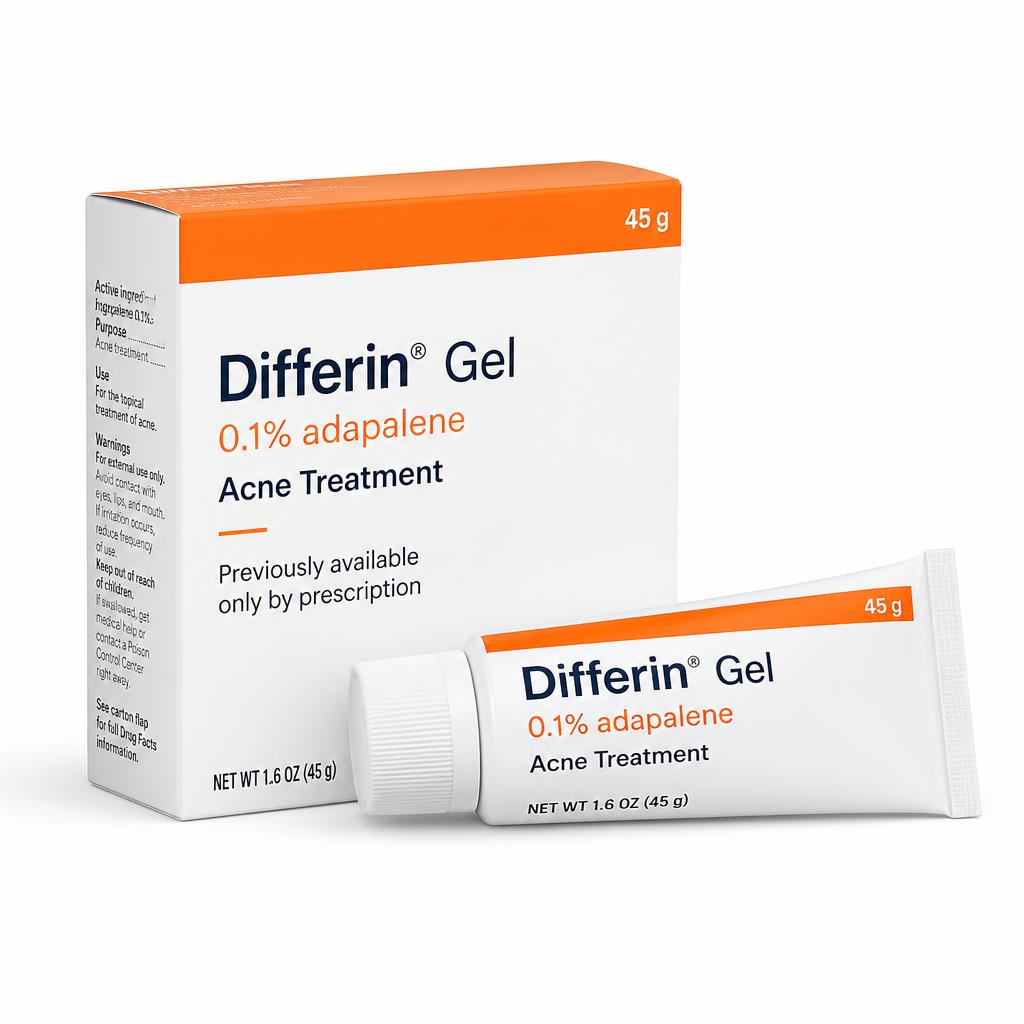
Adapalene 0.1% gel

A cream applied thinly at night that unblocks pores. Your skin may get dry or look worse for the first few weeks — this is normal. Build up how often you use it gradually.

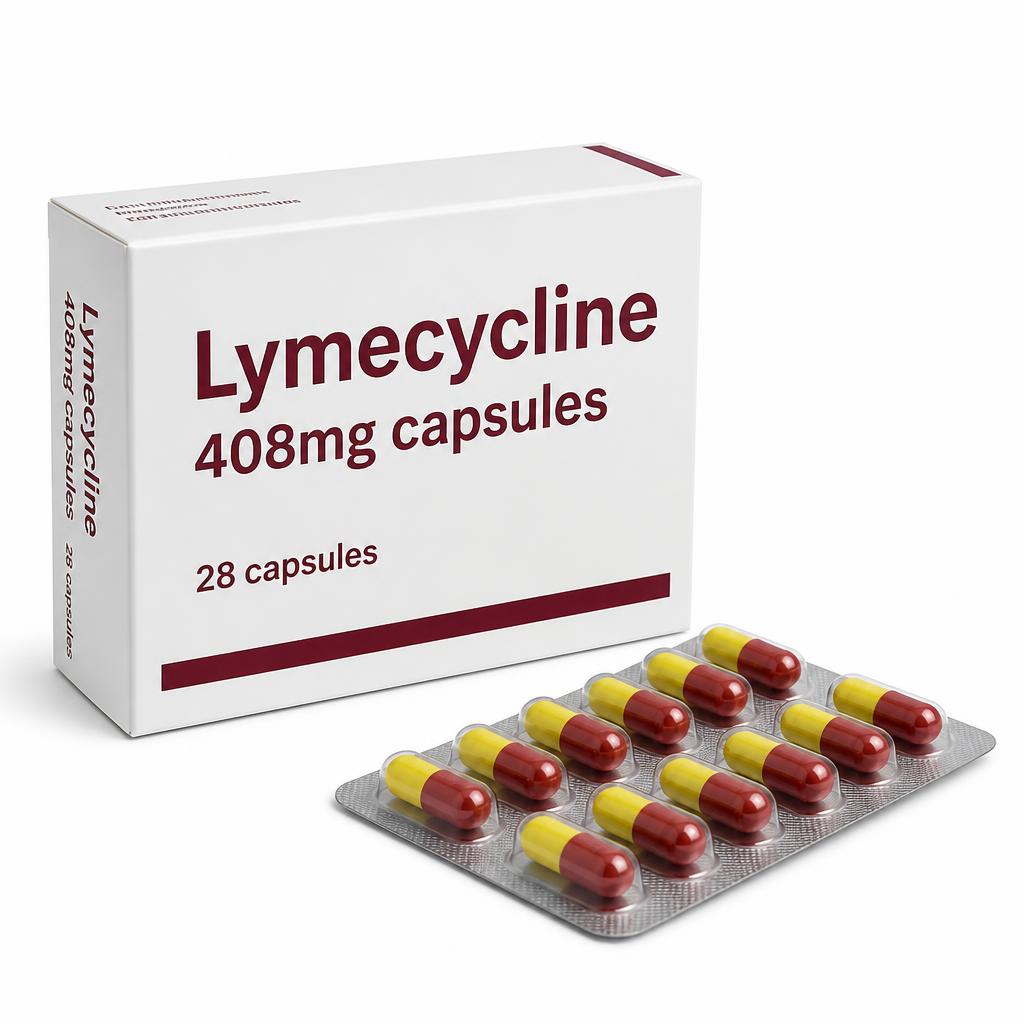
Lymecycline 408mg tablets, once daily

An antibiotic taken by mouth for moderate spotty acne. It's always used together with a gel treatment, and reviewed after 12 weeks to check it's working.

Benzoyl peroxide

A cream or gel that reduces the bacteria that cause spots, and helps stop antibiotics losing effectiveness. It can bleach clothing and bedding, so use white towels and pillowcases.

Doses shown are indicative. Any treatment is chosen by the prescriber at our partner pharmacy based on your answers.

Follow-up and reviews

  • Have a review after 12 weeks and switch treatment if there's been no real improvement
  • Antibiotic tablets are usually stopped after six months, while cream treatment continues
  • Taking a photo at the start can help you judge progress fairly, since change is gradual
  • Ask for a referral for isotretinoin treatment if your acne is severe, scarring, or hasn't responded to two other treatments

Safety and who should avoid it

  • Retinoid creams and tablets must not be used in pregnancy — reliable contraception is essential
  • Antibiotics like lymecycline make skin more sensitive to sun, and aren't used under 12 or in pregnancy
  • Retinoids can make your skin more sensitive to sunlight, so use a daily SPF
  • Antibiotics shouldn't be used on their own, to help stop them becoming less effective

Get urgent help if you notice

  • Sudden severe acne with fever and joint pain needs urgent medical assessment
  • Acne with deep, painful cysts that's scarring quickly
  • Acne alongside irregular periods, unusual hair growth or other hormonal changes
  • Feeling very low, or having thoughts of suicide, linked to how your skin looks — please seek help straight away

Call 999 for an emergency, or NHS 111 for urgent advice.

When to see a doctor

  • Deep painful nodules or cysts, or early scarring
  • Acne with irregular periods and excess hair growth
  • No improvement after three months of treatment

Treatments you can request

Common questions

Does diet cause acne?
Evidence is limited; skim milk and high-sugar diets may contribute for some people.
Why does it get worse at first?
Retinoids commonly cause a purge in the first few weeks before improvement.