
🚀 GetMeds Online is coming soon.
  • Order by 1pm — next-day delivery
  • 100% authentic UK medicine
  • Prescribers at our partner pharmacy
  • GPhC-registered pharmacy
  • Only pay if approved
  • Discreet delivery
GetMeds Online

GetMeds Online

Cystitis and urinary tract infection

A bladder infection causing stinging, urgency and lower tummy discomfort.

Cystitis and urinary tract infection — everyday life photograph
This guide is general health information about Cystitis and urinary tract infection. It is not personal medical advice and does not replace an assessment by your GP or pharmacist. Any treatment is only supplied after a consultation is reviewed by a UK prescriber at our partner pharmacy.

In short

Cystitis is a common bladder infection (urinary tract infection, or UTI) that mostly affects women who aren't pregnant. Doctors can usually diagnose it just from your symptoms, and a short course of antibiotics – or sometimes just fluids and painkillers – clears it up.

How long treatment lasts
Just 3 days for most women
Usual first choice
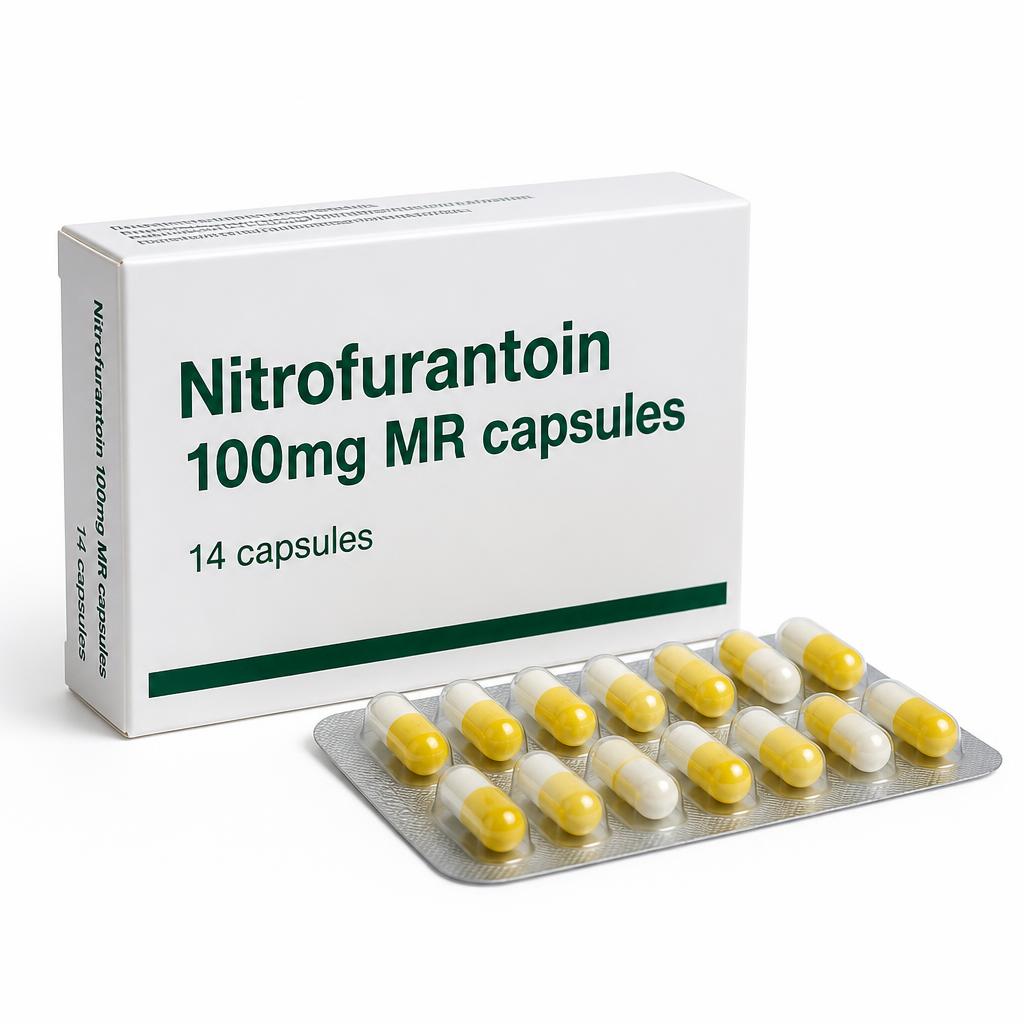
Nitrofurantoin, twice a day
When it's avoided
If your kidneys aren't working well
Good news
About 1 in 3 cases clear up without antibiotics

Overview

Uncomplicated cystitis in women can often be treated with a short antibiotic course. Fever, back pain, vomiting or blood in the urine need urgent in-person assessment instead.

Common symptoms

  • Burning when passing urine
  • Needing to go often
  • Cloudy or strong-smelling urine

What causes it

  • Bacteria, usually E. coli, entering the bladder
  • Sex, dehydration or holding urine for long periods
  • Lower oestrogen after the menopause

What you can do yourself

  • Drink plenty of fluid through the day
  • Pass urine after sex and do not hold on unnecessarily
  • Paracetamol can ease discomfort while treatment works

What you'll be asked

  1. 1Whether it stings or burns when you wee, and if you're going more often or urgently, without any unusual discharge
  2. 2Whether you have a fever, back or side pain, chills or you're being sick — these can mean the infection has spread to your kidneys
  3. 3Whether you might be pregnant, as this changes which antibiotic is safe and for how long
  4. 4Any recent antibiotics, past infections, or if you know some antibiotics haven't worked for you before
  5. 5Your kidney health, your age, and how often you get these infections

How it is usually treated

An uncomplicated bladder infection in a non-pregnant woman is usually treated with a three-day antibiotic course such as nitrofurantoin. Symptoms that do not improve within 48 hours need review.

Nitrofurantoin 100 mg (slow-release), twice a day for 3 days

This is usually the first antibiotic tried, as long as your kidneys work normally. Take it with food to help it settle in your stomach.

Trimethoprim 200 mg, twice a day for 3 days

An alternative antibiotic, used if it's likely to work well in your area and you haven't had it recently.

Self-care alongside treatment

Drink plenty of water and take a painkiller such as paracetamol. Many mild infections start to ease within about two days, even before antibiotics finish working.

Doses shown are indicative. Any treatment is chosen by the prescriber at our partner pharmacy based on your answers.

Follow-up and reviews

  • Get in touch again if you're not feeling better within 48 hours of starting antibiotics
  • You may be asked for a urine sample to test if the infection keeps coming back, treatment hasn't worked, or you're pregnant
  • Speak to a doctor if you get three or more infections in a year, or if you ever see blood in your urine
  • After the menopause, a vaginal oestrogen cream or pessary may be suggested if infections keep recurring

Safety and who should avoid it

  • Trimethoprim isn't suitable in early pregnancy or if you take methotrexate
  • Nitrofurantoin isn't used right at the end of pregnancy, or if you have a rare blood condition called G6PD deficiency
  • If you take medicines for blood pressure such as ACE inhibitors or spironolactone, trimethoprim needs care as it can raise potassium levels
  • This route isn't suitable for men, children, or anyone with a urinary catheter — they need a different assessment

Get urgent help if you notice

  • Fever, shivering, feeling sick or pain in your back or side — this could mean a kidney infection
  • Blood you can see in your urine
  • Symptoms in pregnancy, in men, or if you feel very unwell generally
  • No improvement after two days of taking the right antibiotic

Call 999 for an emergency, or NHS 111 for urgent advice.

When to see a doctor

  • Fever, shivering, back or flank pain, or vomiting
  • Blood in the urine
  • Pregnancy, or symptoms in men and children

Treatments you can request

Common questions

Can I treat it without antibiotics?
Very mild symptoms sometimes settle with fluids and pain relief, but worsening symptoms need treatment.
Why do I keep getting it?
Recurrent infections need a proper assessment rather than repeated short courses.